

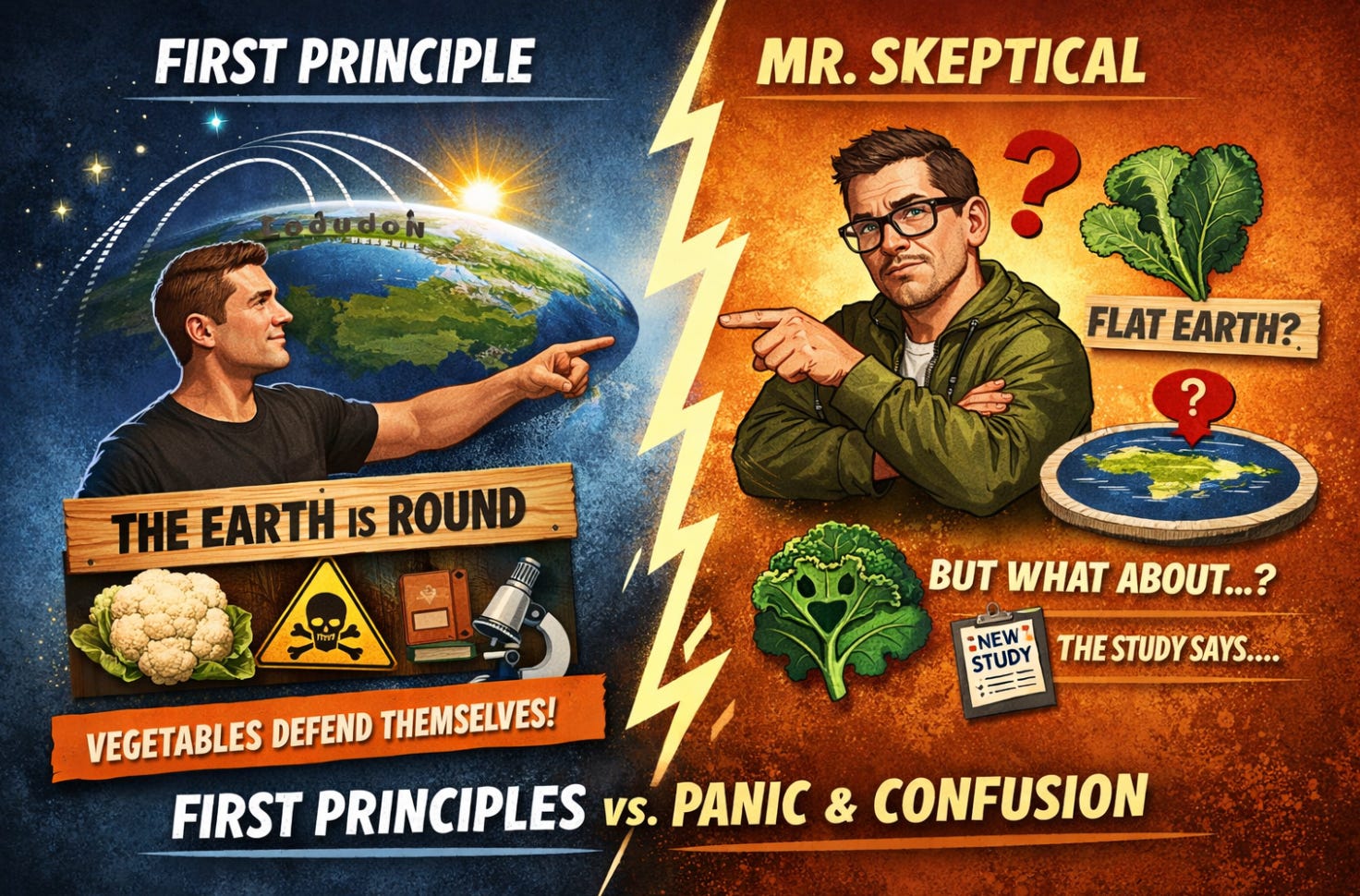
Subconscious Fat at 30,000 feet
Mr. Skeptical is already leaning back in his chair, arms crossed, before I even start.
“So what’s the new big idea today?” he asks. “Another thing everyone’s wrong about?”
Not everyone. Just most people who abandon first principles the moment something gets uncomfortable.
First principles are the truths you build everything else on.
Not opinions. Not vibes. Not studies taken out of context.
Foundational truths that, if removed, collapse the entire structure.
“Sounds rigid,” Mr. Skeptical says. “What if the foundation is wrong?”
That’s the trick. Most people don’t test foundations — they panic at the first question mark and throw the whole building away.
Subconscious Fat lives right there, in that panic.
In the urge to replace thinking with novelty.

Subconscious Fat at 10,000 feet
Let’s start simple.
My first principle: the Earth is round.
Not because one authority said so, but because multiple independent observations all converge on the same conclusion.
“Okay,” Mr. Skeptical interrupts, “then explain this: radio waves travel from Miami to London. If the Earth is round, shouldn’t they shoot off into space? But they don’t. They make it. Flat Earth wins.”
And right there is the mistake most people make.
They assume:
“If I can’t explain it, the principle must be wrong.”
But that’s backwards.
The correct response is:
“If the principle is solid, then my explanation is incomplete.”
So we dig deeper and discover:
radio waves interact with the ionosphere
electromagnetic fields bend and reflect them
the Earth’s magnetic field plays a role
physics is more complex than our first model
The Earth never stopped being round.
We just hadn’t accounted for all the variables yet.
Mr. Skeptical squints. “So, confusion doesn’t disprove truth?”
Exactly. It exposes incomplete understanding.
Subconscious Fat at Eye-Level
Now, let’s apply this to diet, where people abandon first principles every single day.
Here’s one of mine:
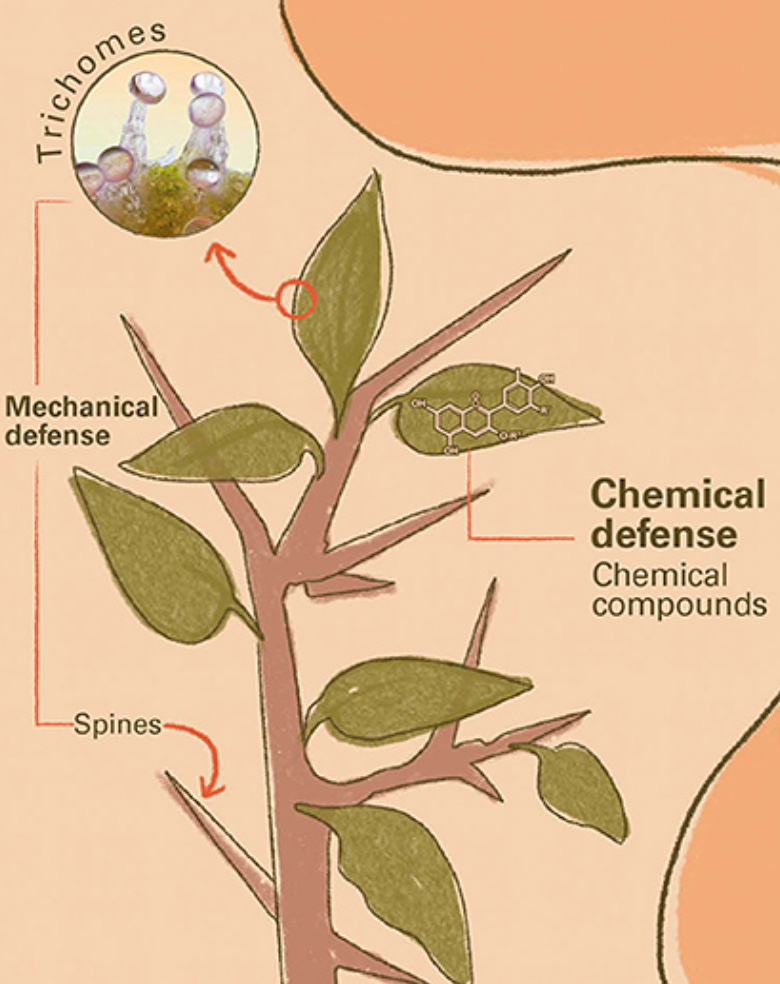
Vegetables are living organisms that want to survive.
“That’s… dramatic,” Mr. Skeptical says.
No, it’s biology.
Plants can’t run.
They can’t bite.
They can’t hide.
So how do they survive?
They defend themselves with:
toxins
anti-nutrients
bitter compounds
digestive irritants
hormone disruptors
enzyme inhibitors
That’s not opinion — it’s plant physiology.
“But vegetables are healthy,” Mr. Skeptical objects. “Every study says so.”
No — every study says some compounds in vegetables have benefits in specific contexts.
That’s a premise.
Not a first principle.
If vegetables want to live, then their defense strategy must involve making themselves unpleasant or harmful to eat. Otherwise, they’d be wiped out by animals in a week.
That doesn’t mean all vegetables are poisonous.
It means the model must include defense mechanisms, not fairy tales.
When people say:
“But kale is healthy, so plants must be harmless.”
That’s the same logic as:
“Radio waves exist, so the Earth must be flat.”
They’re abandoning first principles because a detail feels confusing.
Practical Suggestions and Conclusions
Here’s the rule Mr. Skeptical hates most:
If a new fact seems to contradict a first principle, assume missing variables before assuming the principle is wrong.
That applies to:
nutrition
metabolism
hormones
training
relationships
business
life
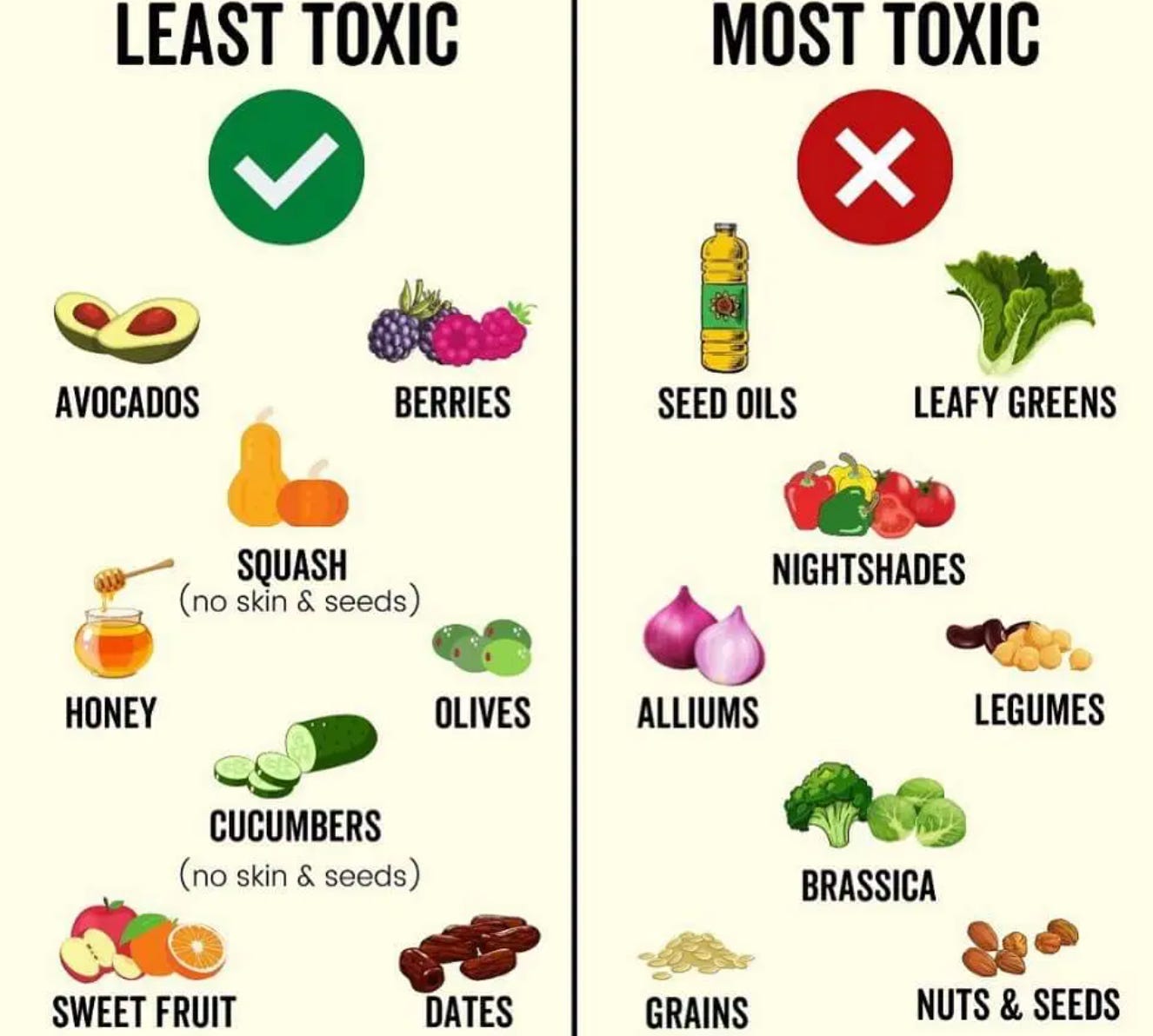
Plants wanting to live explains bitterness.
Toxins explain why some people react badly to vegetables.
Anti-nutrients explain mineral deficiencies.
And preparation methods exist precisely because humans learned how to reduce plant defenses.
The first principle still stands.
The Earth didn’t become flat because radio waves exist.
And vegetables didn’t become harmless because a study isolated one compound.
Mr. Skeptical sighs. “So you’re saying most confusion is just incomplete models?”
Yes. And Subconscious Fat is what happens when people panic instead of refining them.
Hold the foundation.
Improve the model.
Ignore the noise.
Mr. Skeptical leans back again, quieter this time.
“I don’t like it,” he says. “But I can’t argue with it.”
Good. That’s the point.
Be aware.
Other links related to this post:

Convenient Beliefs

Lessons from Santa

History, Common Sense, and then Science
PS Links on LinkedIn, Facebook, Instagram, X, and Notes. Full disclosure: ChatGPT was used to research and enhance this post.
The moment you abandon first principles is the moment you stop thinking and start reacting.