

Subconscious Fat at 30,000 Feet
Protein has officially become a marketing word.
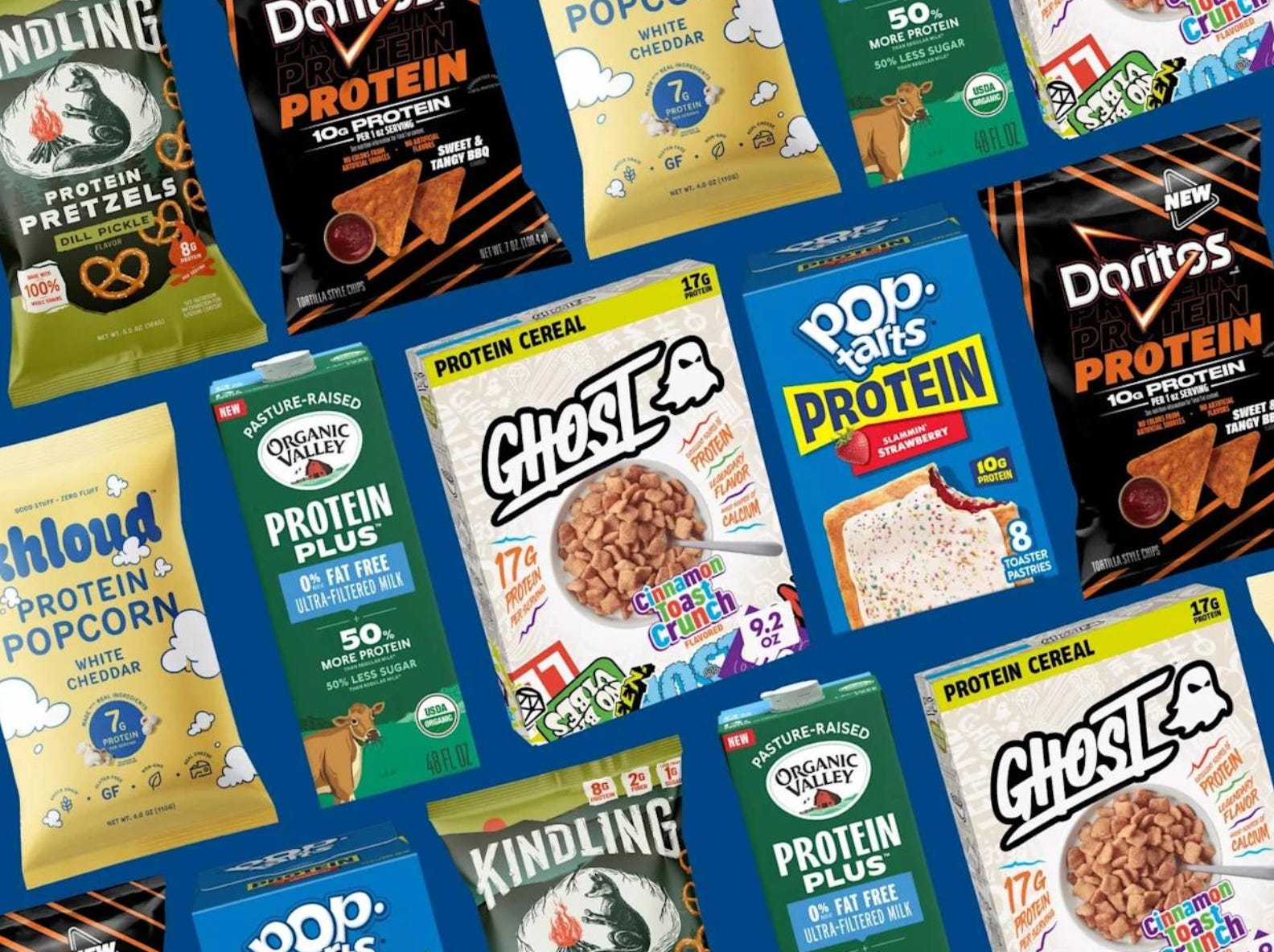
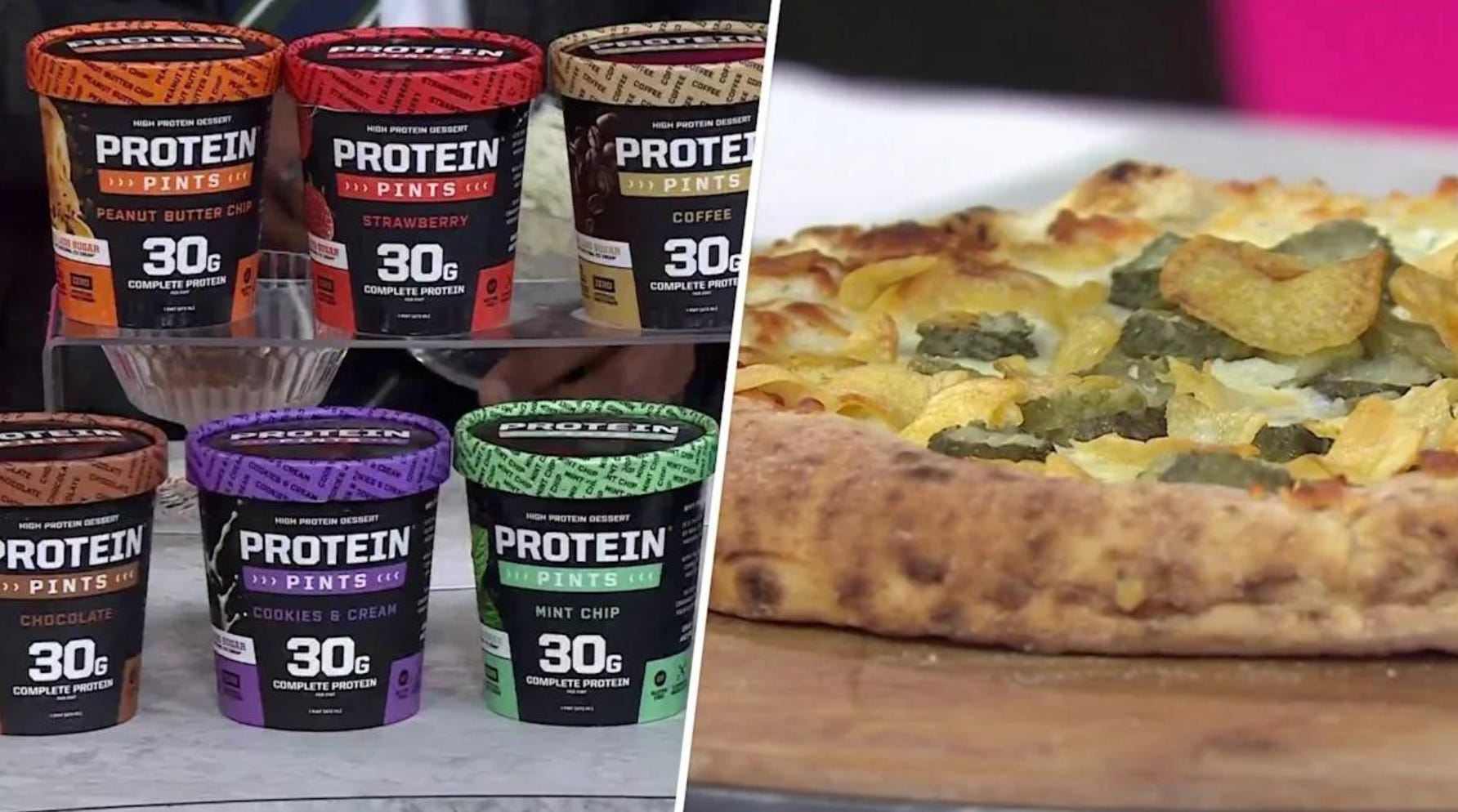
Protein coffee. Protein oatmeal. Protein cereal. Protein pizza. Protein ice cream.
Apparently, we’re only a few product launches away from protein toothpaste.
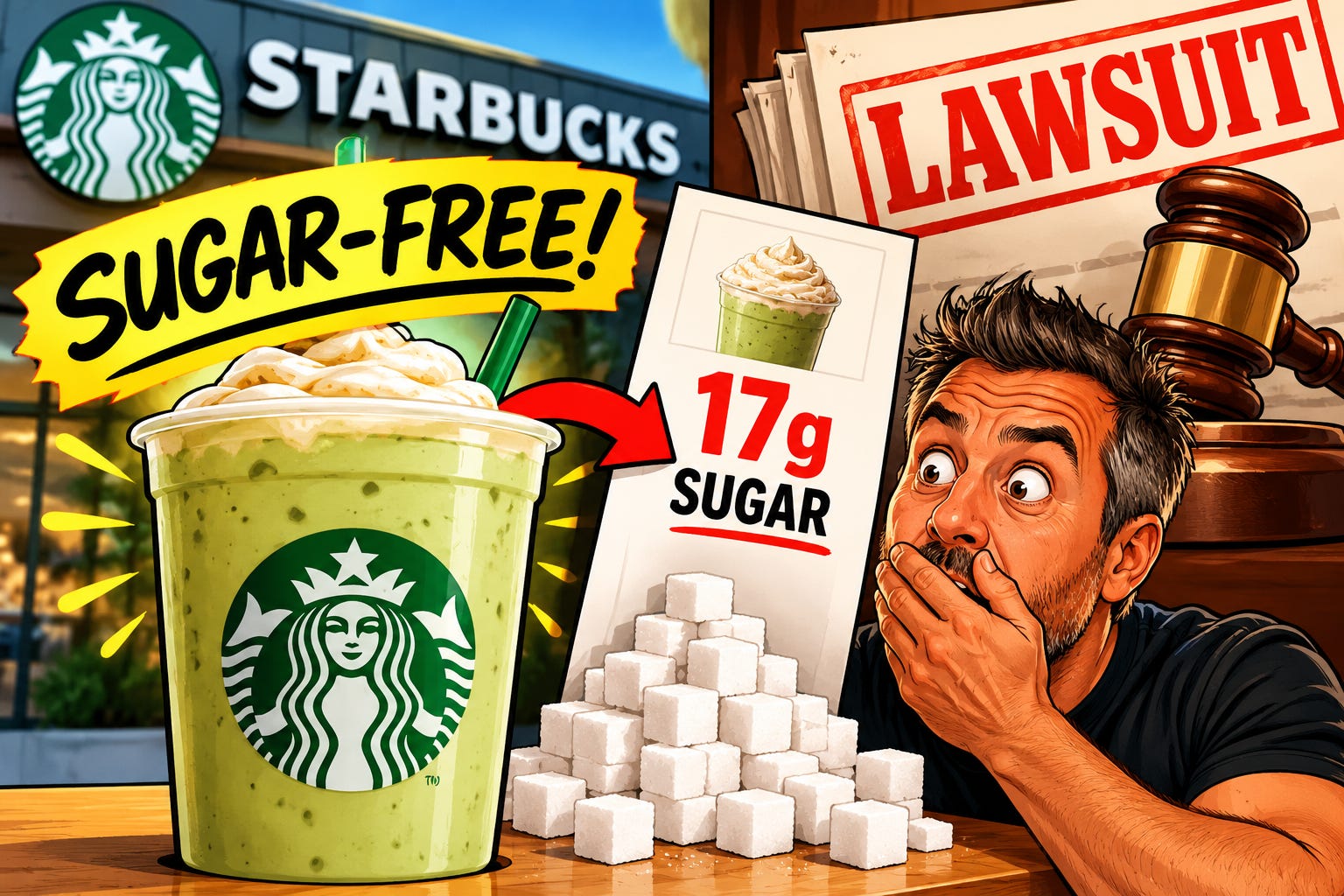
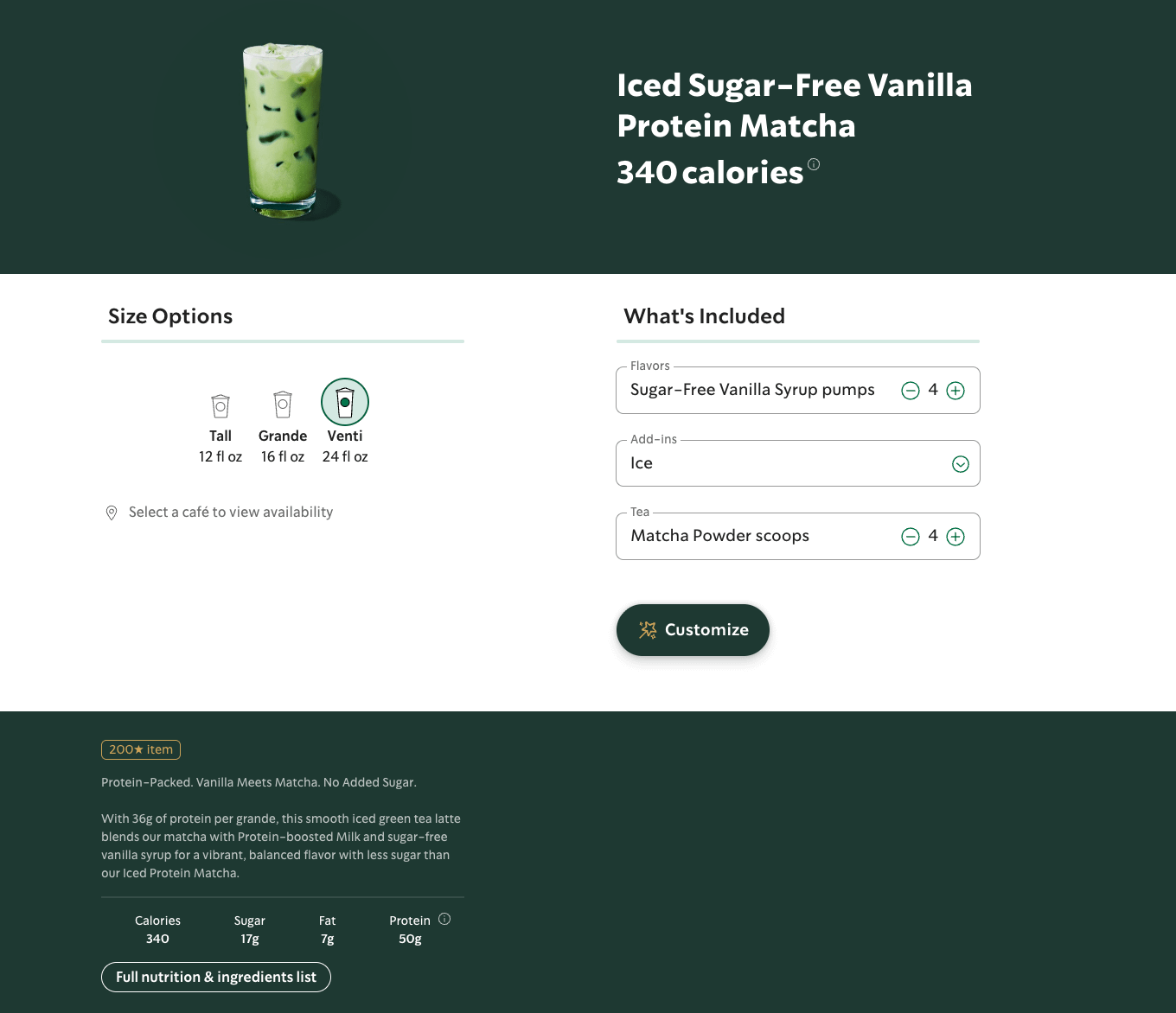
Now Starbucks is facing a proposed class-action lawsuit over eight of its protein drinks carrying “Sugar-Free” in their names. According to the lawsuit, some contain 13 to 21 grams of sugar in a venti serving. Starbucks says that sugar occurs naturally in its protein-boosted milk, no sugar is added, and its nutritional information is disclosed. ABC News
Mr. Skeptical raises an eyebrow.
“Wait. Sugar-free…but there’s sugar?”
Exactly.
Welcome to modern food marketing.
This isn’t about declaring Starbucks guilty—the lawsuit has only been filed, and Starbucks disputes the allegations. It’s about understanding how easily a couple of attractive words can make us stop asking questions.

This Friday on The Better Wealth and Health Podcast, I stood up with Daniel J. Alfonso, Ed.D.—a longtime South Florida leader whose career has spanned the U.S. Army, municipal government, higher education, and public service.
Daniel currently serves as a Town of Davie Councilmember and as Executive Vice President for Facilities, Safety, and Campus Services at Nova Southeastern University. He previously served as City Manager of Miami and brings decades of experience in leadership, finance, infrastructure, and public service.
We had a great conversation about leadership, service, success, and the lessons learned from a career spent leading people and organizations. You can find him on LinkedIn.
🎙️ Watch for the full episode dropping tomorrow, Friday at 11:57 a.m. ET
Subconscious Fat at 10,000 Feet
Here’s where language matters.
“No added sugar” and “sugar-free” are not the same thing.
Milk naturally contains lactose, which is a sugar. Starbucks says its sugar-free syrups don’t add sugar, but the completed drinks still contain naturally occurring sugar from milk. The plaintiffs argue that calling the entire beverage “Sugar-Free” is misleading. Federal regulations cited in the lawsuit generally set the threshold for a “sugar-free” claim at less than 0.5 grams of sugar per serving. ABC News
Mr. Skeptical folds his arms.
“But if Starbucks puts the nutrition information on its website, isn’t it the customer’s responsibility to read it?”
To some extent, yes.
And that’s exactly my point.
Companies have marketing departments. You need a defense department.
Don’t outsource your nutritional decisions to the biggest words on the menu.
Subconscious Fat at Eye-Level
There’s a bigger problem here than Starbucks.
We’ve become obsessed with protein-maxing everything.
Suddenly, if someone puts “25 GRAMS OF PROTEIN” across a package, we’re supposed to assume it’s healthy.
Why?
Protein doesn’t magically turn an ultra-processed food into a health food.
You don’t need protein pizza followed by protein ice cream washed down with protein coffee because TikTok told you that you haven’t “hit your macros.”
Mr. Skeptical looks offended.
“But you tell people to eat more protein all the time!”
I do.
From food.
For most people, especially men over 40 trying to maintain muscle, protein matters enormously. But there’s a remarkably uncomplicated way to get it: eat protein-rich foods.
Beef. Eggs. Fish. Chicken. Lamb. Sardines.
Your ribeye doesn’t need “HIGH PROTEIN” printed across the front.
It already knows what it is.
Practical Suggestions and Conclusions
This Starbucks lawsuit should remind us of something much bigger than coffee.
Read past the marketing.
Look at the nutrition facts. Look at the ingredients. Understand the difference between sugar-free, no added sugar, and lower sugar. And don’t assume something is healthy simply because the word protein has been slapped onto it.
Mr. Skeptical takes one last sip of coffee.
“So you’re saying I don’t need protein coffee with my protein oatmeal before having protein ice cream?”
Correct.
“You’re taking all the fun out of fitness.”
No. I’m taking the marketing department out of it.
Coffee can be coffee.
Protein can come primarily from actual protein-rich foods.
And nutrition doesn’t have to become more complicated every time somebody invents another product.
That’s the Occam’s Razor approach:
Keep the food simple. Read the fine print. And never confuse a marketing claim with a health claim.
Be aware.
PS Links on LinkedIn, Facebook, Instagram, X, and Notes.
Full disclosure: ChatGPT was used to research and enhance this post.
🎙️The Better Wealth & Health Podcast with guest Dr. Daniel J. Alfonso is dropping tomorrow at 11:57 AM Eastern.