

If you’d rather enter the new year with a plan instead of a resolution, book a 15–20 minute Zoom call here. We’ll get clear on next steps and see if working together makes sense.Most people think they’ve got sugar figured out.
But just when you thought you were safe, food manufacturers do a sleight of hand.
Subconscious Fat At 30,000 Feet
Most people don’t dump spoonfuls of sugar into their coffee anymore.
They avoid desserts.
They read labels — or at least glance at them.
And yet… blood sugar is still unstable. Energy still crashes. Fat loss still stalls.
That’s because modern sugar doesn’t always look like sugar.
Mr. Skeptical peers over my shoulder. “So let me guess — this is another ingredient that sounds smart enough to be harmless.”
“Exactly.”
“Its name is maltodextrin, and it’s one of the most misleading ingredients in the modern food supply.”
Subconscious Fat At 10,000 Feet
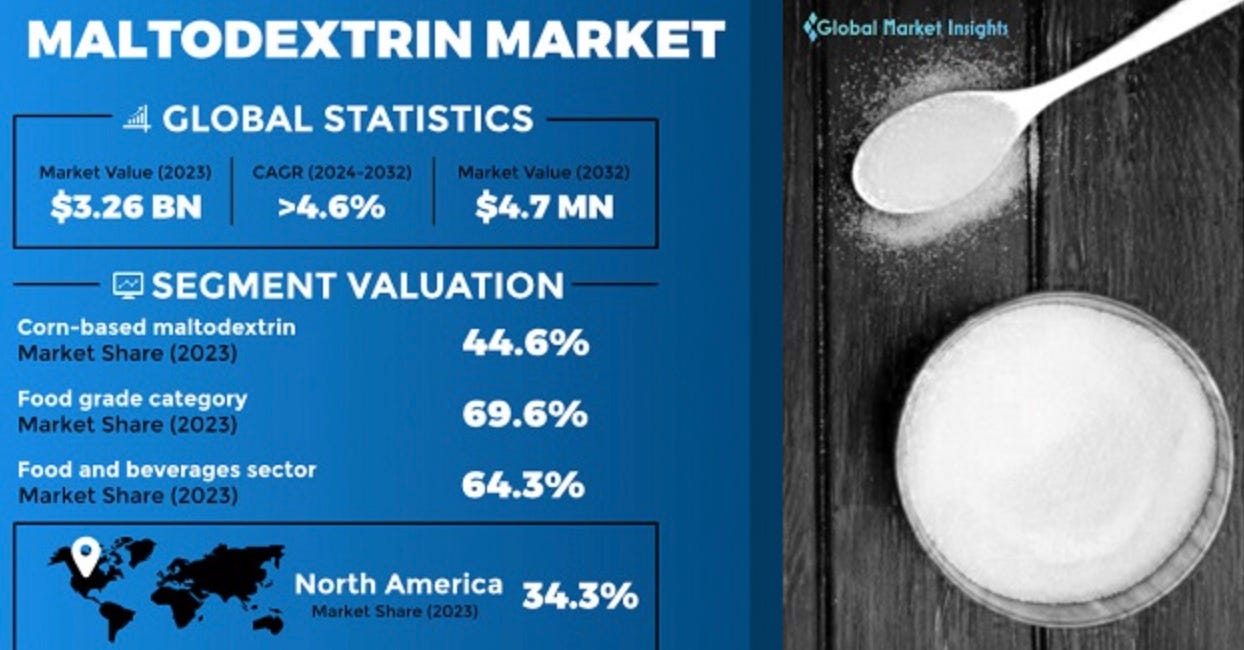
Maltodextrin usually comes from corn, though it can also be derived from rice, wheat, or potatoes. It’s not a whole food. It’s not even close.
It’s a highly processed starch, broken down and refined until it becomes a fast-digesting carbohydrate powder. Food manufacturers love it because it’s cheap, shelf-stable, and easy to add to almost anything.
It’s used as a filler, a thickener, and a way to improve texture — especially in products marketed as “healthy,” “low sugar,” or “performance-enhancing.”
The glycemic index (GI) is a standardized, peer-reviewed measurement used for decades. Foods are compared to pure glucose (GI = 100).
Here’s what consistently shows up in published GI tables:
Glucose: 100
Table sugar (sucrose): ~65
High-fructose fruit: ~35–55
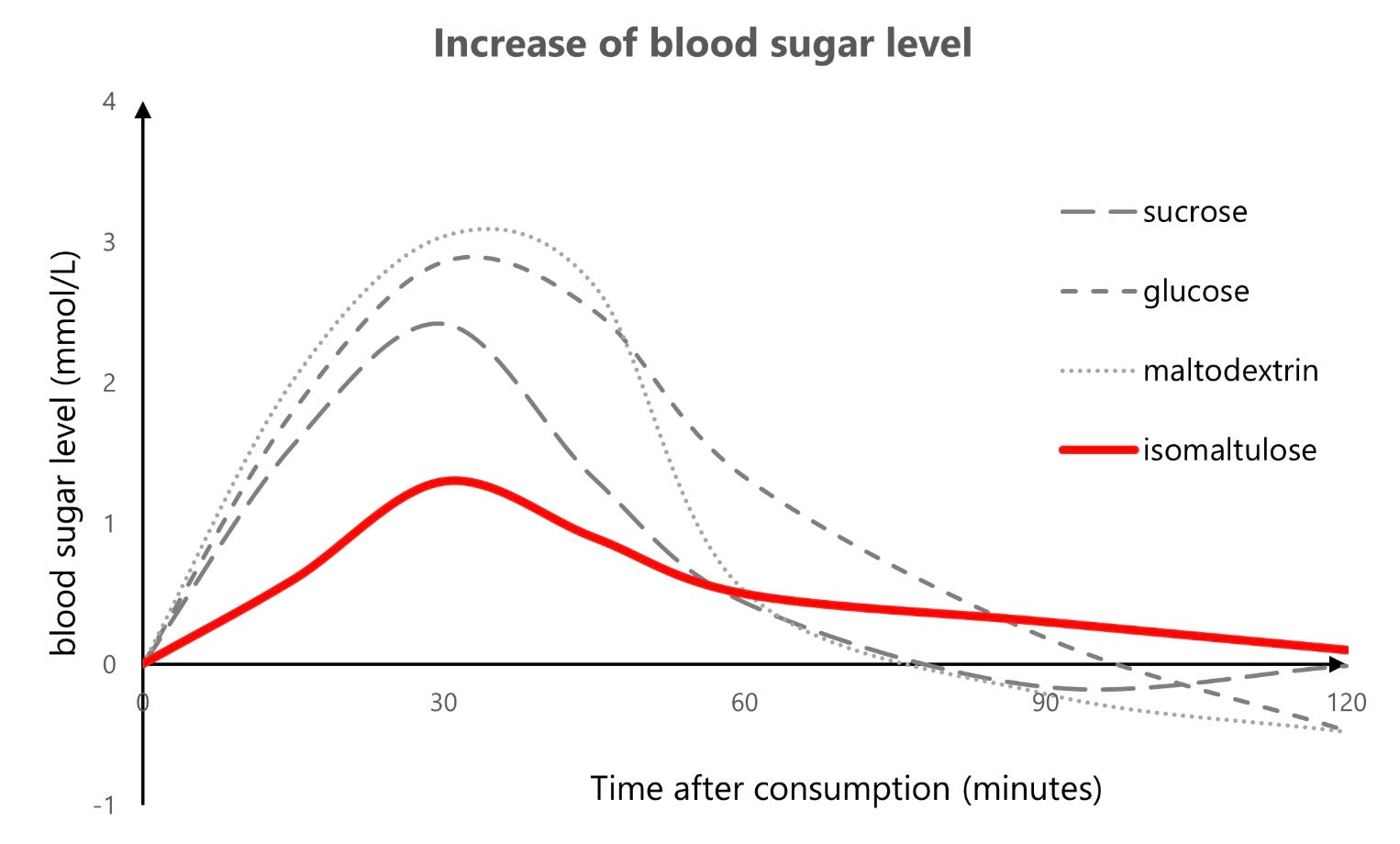
Maltodextrin: 105–136 (depending on formulation)
Yes — higher than glucose itself.
Mr. Skeptical put his hands as if protesting. “How does something score higher than glucose?”
“Simple: faster absorption and less digestion required.”
I add, “This isn’t opinion. It’s measured by:
Blood glucose response curves
Area under the curve (AUC)
Repeated testing in controlled settings
Mr. Skeptical squints. “So the ingredient nobody worries about spikes blood sugar more than sugar itself?”
“That’s correct.”
Subconscious Fat At Eye Level
Here’s where maltodextrin earns its reputation.
Because it’s already partially broken down, your body absorbs it almost immediately. There’s no fiber to slow it down. No chewing. No digestion delay.
Blood sugar rises fast.
Insulin surges to compensate.
And whatever glucose isn’t immediately used gets stored — often as fat.
Unlike sweet foods, maltodextrin doesn’t taste very sweet. That’s the psychological trick. Your brain doesn’t register danger. There’s no obvious “dessert signal.”
So people consume it casually:
in protein bars
in sports drinks
in meal replacement shakes
in coffee creamers
in supplements that are supposed to improve health, and even in baby formula
Mr. Skeptical shakes his head. “So you can avoid cake, drink something labeled ‘clean fuel,’ and still hit your pancreas like a sledgehammer.”
I sigh. “Welcome to modern nutrition.”
Practical Suggestions And Conclusions
Maltodextrin doesn’t nourish you. It doesn’t build muscle. It doesn’t help hormones. It doesn’t make you full.
It exists to make processed foods easier to manufacture and easier to consume.
That doesn’t mean it’s poison. But it does mean it’s metabolically aggressive, especially for adults who are already stressed, sedentary, insulin-resistant, or trying to lose fat.
The practical move isn’t panic — it’s awareness.
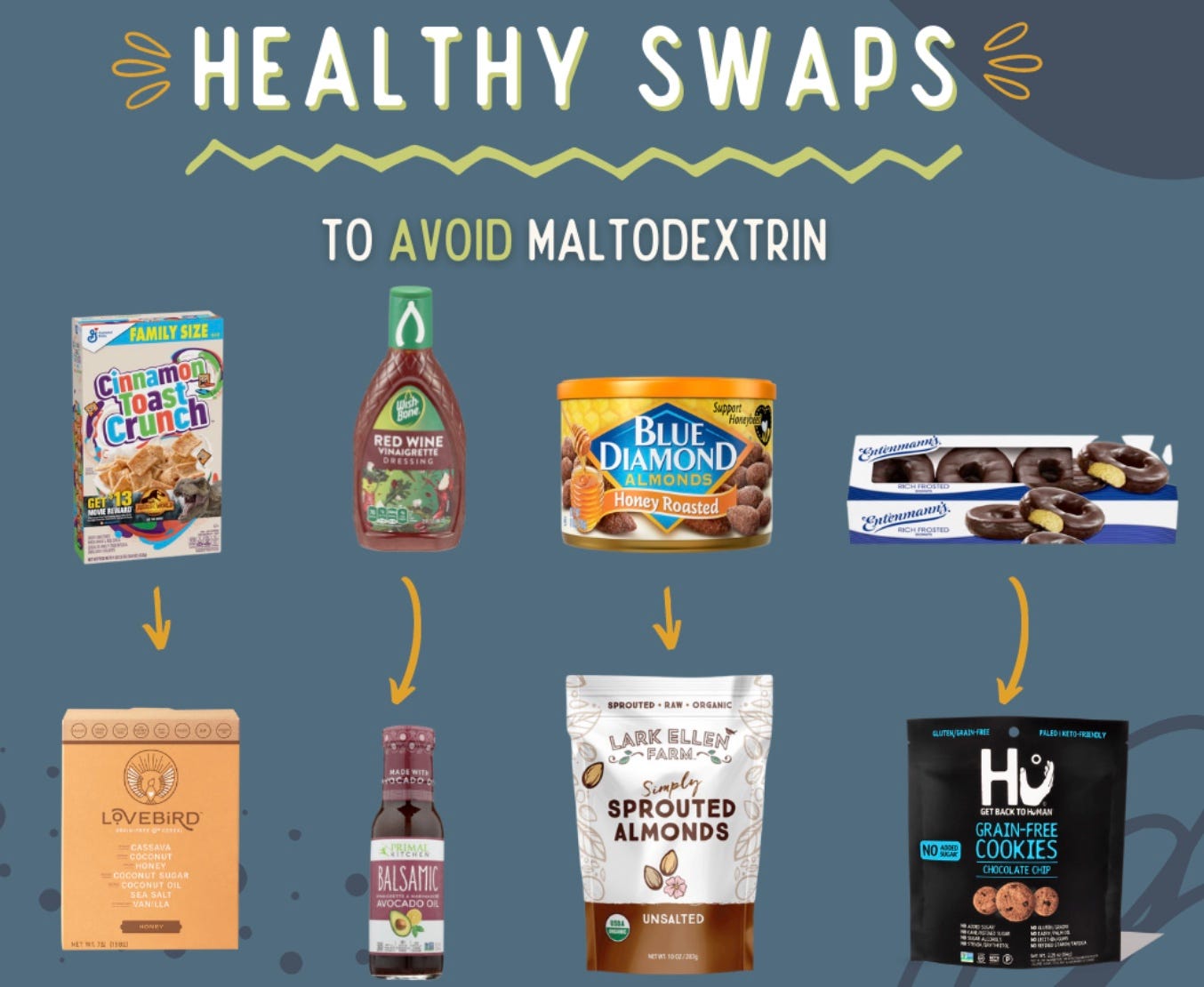
Start reading ingredient lists instead of front labels.
Assume “sugar-free” doesn’t mean blood-sugar-free.
Be especially cautious with liquids and powders, where maltodextrin is most often found.
And compare all of this to animal foods.
Protein requires work to digest.
Fat slows absorption.
Neither hijacks insulin.
Neither hides behind a chemistry term.
Mr. Skeptical nods reluctantly. “So the simplest foods are still the safest ones.”
Occam’s Razor, as usual.
Maltodextrin is just another reminder that the biggest metabolic problems don’t come from obvious junk — they come from ingredients that sound responsible while quietly doing damage.
This is Subconscious Fat in action: ingredients that bypass your awareness while quietly pushing metabolism in the wrong direction.
Be aware.
Other links related to this post:
PS Links on LinkedIn, Facebook, Instagram, X, and Notes. Full disclosure: ChatGPT was used to research and enhance this post.
PSS If you want to plan ahead instead of scrambling in January, I’m opening a few 15–20 minute Zoom conversations this December. You can see availability here.
Excellent article. Even though I am a nurse, I never knew about the damage this substance can cause.