

Subconscious Fat at 30,000 feet
We tend to treat “science” like it’s immune to bias.
If it’s published, peer-reviewed, stamped with authority… it must be true.
But history keeps reminding us that science—especially modern, corporate-funded science—is not always a clean mirror of reality. It’s often shaped by incentives, funding, and narratives.
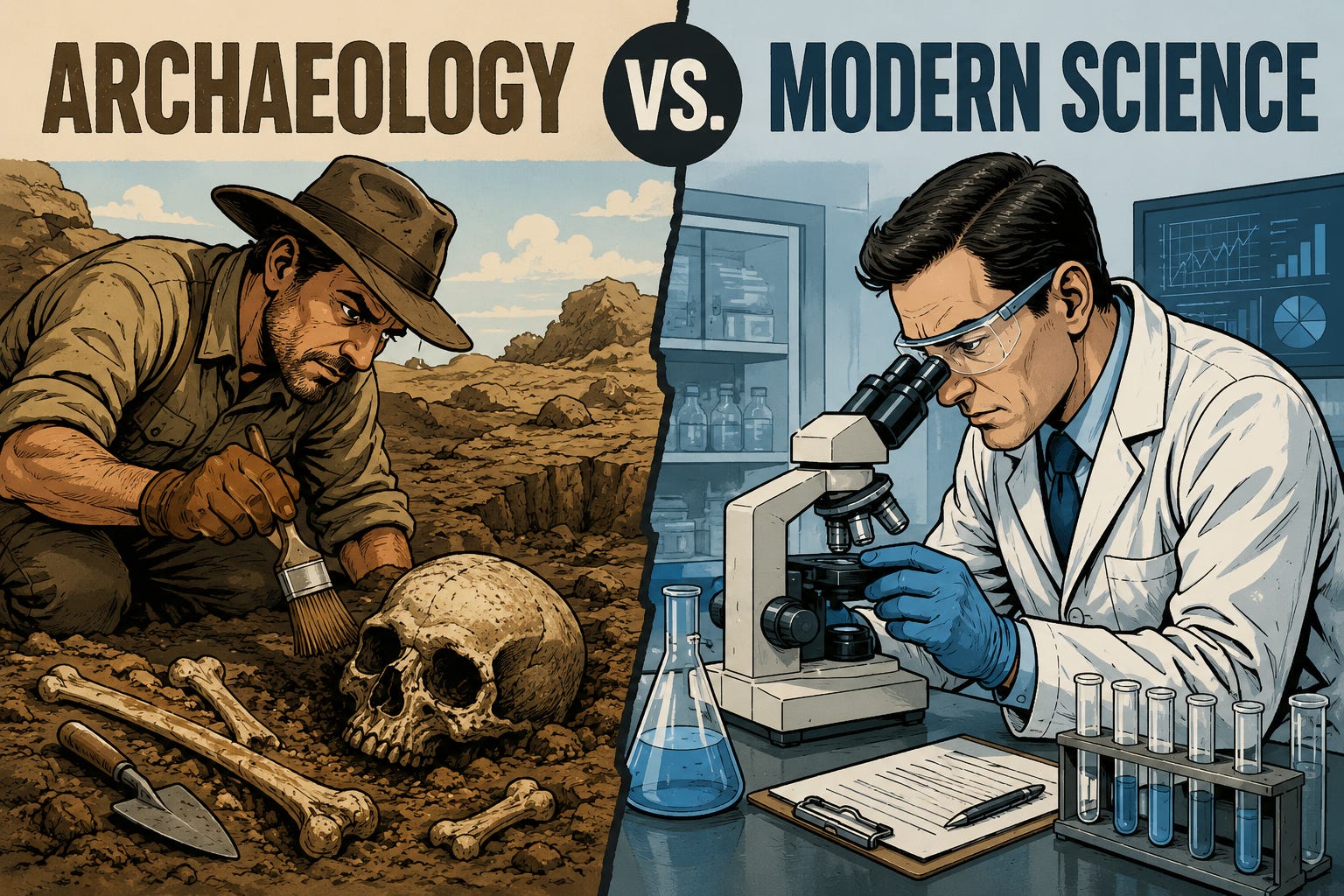
Meanwhile, there’s another type of evidence that doesn’t care about funding cycles or quarterly profits: archaeology.
Bones don’t lie easily. Teeth don’t file reports. Ancient skeletons aren’t trying to sell anything.
So when we see a consistent pattern—wider jaws, straighter teeth, robust frames in pre-agricultural humans—and then a clear shift toward narrower jaws, crowding, and reduced stature after agriculture… we have to ask:
Which evidence do we trust more?
Mr. Skeptical leans back, arms crossed.
“So now we’re just throwing out science?”
Not quite. But we are questioning which version of it deserves our trust.
Subconscious Fat at 10,000 feet
Modern science has gotten things very wrong before—sometimes catastrophically wrong.
Take the opioid crisis. For years, a widely cited letter published in the New England Journal of Medicine suggested that addiction to prescription opioids was rare. That claim—based on weak evidence—was amplified and used in marketing. Pharmaceutical companies leaned on it heavily. Doctors trusted it. Patients paid the price.
You can look into it here:
That wasn’t a small mistake—it was a systemic failure influenced by incentives.
The food world has similar examples. The sugar industry funded research in the 1960s that downplayed sugar’s role in heart disease while shifting blame to saturated fat. That narrative shaped dietary guidelines for decades.
Mr. Skeptical raises an eyebrow.
“Okay, but that doesn’t mean all science is corrupt.”
Correct. But it does mean:
Science is not immune to bias—especially when money is involved.
Now compare that to archaeological evidence—but instead of jaws, look at something else entirely:
When researchers examine ancient bones, they often find:
Thicker, denser bones (higher bone mineral density)
Strong attachment points where muscles connected (suggesting regular physical strain)
Fewer signs of chronic metabolic disease in earlier populations
After the agricultural shift, and especially into more modern times, we begin to see:
Reduced bone density
More fragile skeletal structures
Increased markers of nutritional stress
In other words:
The body itself changed in ways that suggest a decline in overall robustness.
This isn’t based on surveys or questionnaires.
It’s written directly into the structure of the human skeleton.
No corporation benefits from those bones telling a different story.
Subconscious Fat at Eye-Level
Here’s where this becomes practical—and where things get really interesting.
You’ll often hear a phrase like:
“Stable isotope analysis suggests high trophic-level diets.”
That sounds complicated, but it’s actually pretty simple.
Stable isotope analysis is a way scientists analyze tiny chemical signatures left in bones. When you eat food, it leaves a trace—almost like a fingerprint—in your body. That fingerprint sticks around long after you’re gone.
Now, “trophic level” just means your place in the food chain.
Plants are at the bottom
Herbivores (like cows) eat plants
Carnivores (like wolves—or humans) eat animals
So when scientists say “high trophic-level diet,” they mean:
Eating higher up the food chain—more animal-based foods.
When researchers analyze ancient human bones, they often find chemical signatures that match animals who were eating… other animals.
In plain English:
Humans weren’t just nibbling on meat occasionally—they were heavily relying on it.
And this lines up with other archaeological findings:
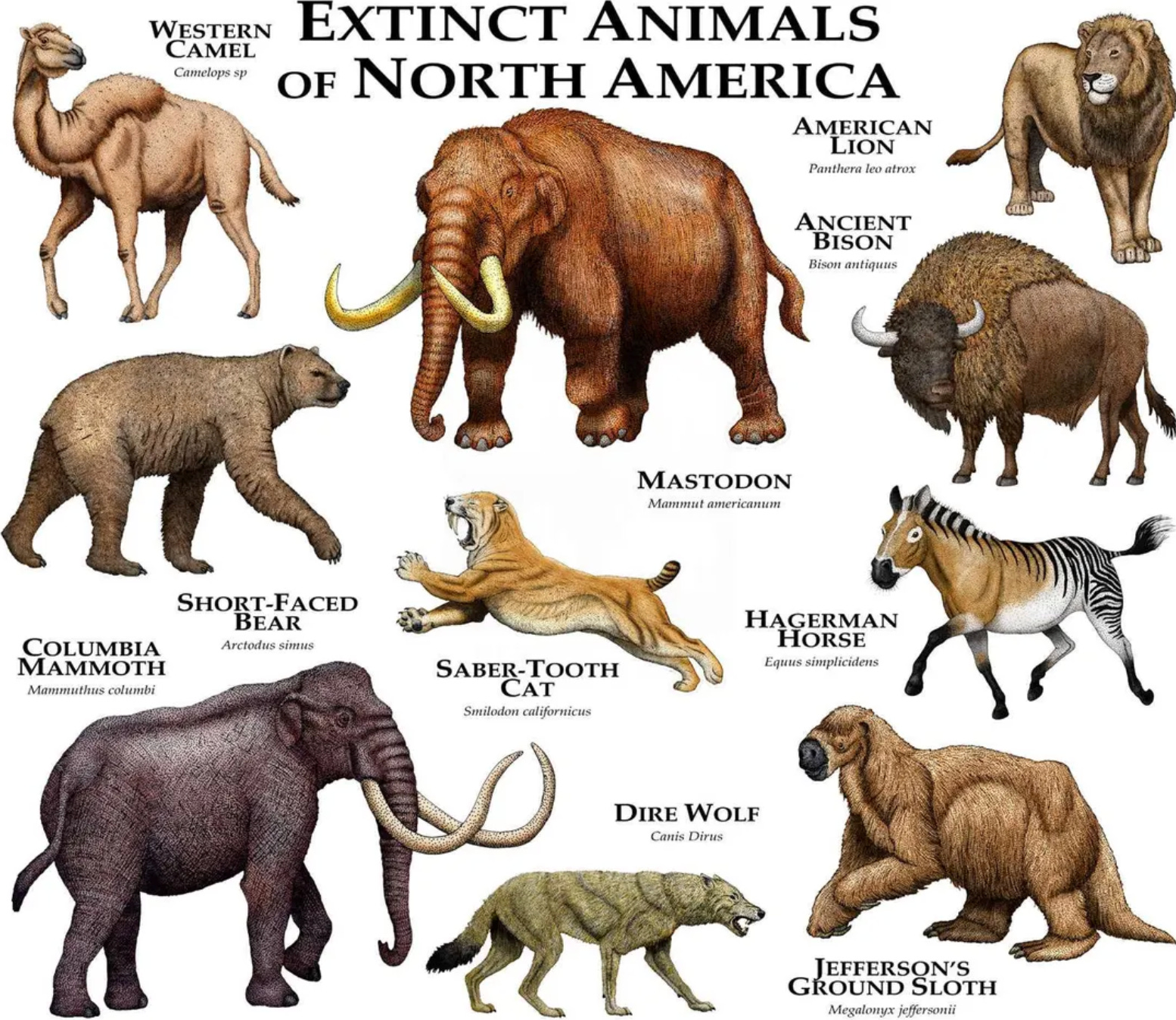
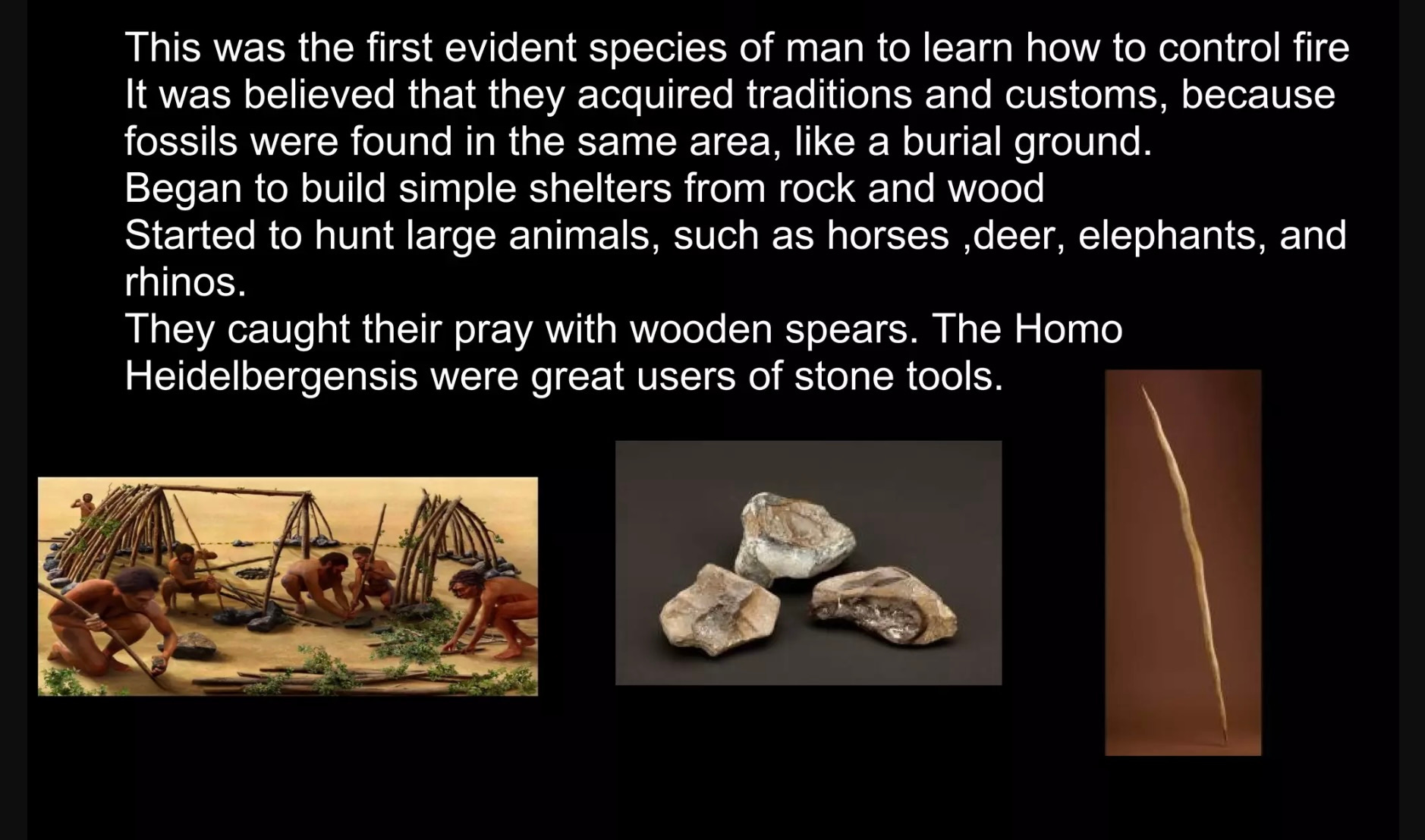
Large animal kill sites
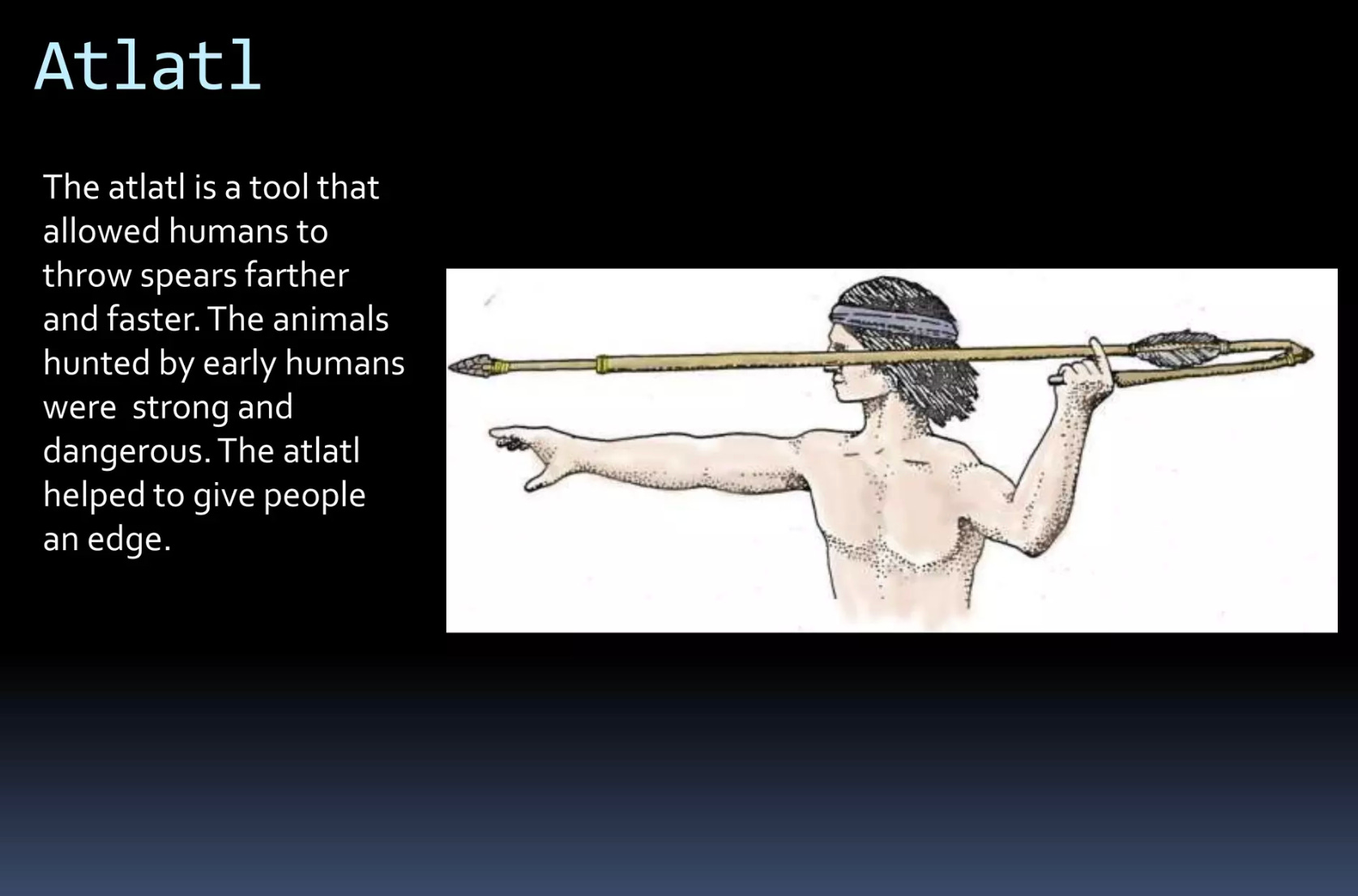
Tools designed for hunting and butchering
Evidence of mass animal consumption
Mr. Skeptical tilts his head.
“So you’re saying bones can tell us what people ate?”
Exactly.
And those bones aren’t influenced by:
Corporate funding
Food industry narratives
Trends or guidelines
They just reflect what actually happened.
Now compare that to modern recommendations:
You’re told:
Eat less fat
Focus on processed “balanced” diets
Trust packaged solutions
But when we look at long-term human evidence, we see:
Stronger skeletal structures
Better dental alignment
Fewer signs of chronic degeneration
Mr. Skeptical smirks.
“So… eat like a caveman?”
Not necessarily.
But when modern advice sharply contradicts thousands of years of physical evidence, it’s worth questioning.
Because one of these:
Has existed across long stretches of time
Has no incentive to lie
Is physically preserved
The other:
Can change every decade
Is influenced by funding
Has been wrong—repeatedly
Practical Suggestions and Conclusions
Don’t blindly trust modern studies—especially when funding sources are unclear.
Learn to question conclusions, not just headlines.
Give weight to long-term human evidence, not just short-term experiments.
Ask yourself:
“Does this align with how humans actually lived for most of history?”
Mr. Skeptical leans forward slightly.
“So… bones over journals?”
Not quite.
But when journals and bones disagree…
It might be worth asking why.
Be aware.
Other links related to this post:
The Americas were the Garden of Eden
PS Links on LinkedIn, Facebook, Instagram, X, and Notes. Full disclosure: ChatGPT was used to research and enhance this post.
I enjoy this article very much.