


I’ll be having a LIVE Zoom LinkedIn webinar on “Is diabetes reversible?” on Wednesday, February 25th, at 5 pm. Click here for details.
Subconscious Fat at 30,000 feet
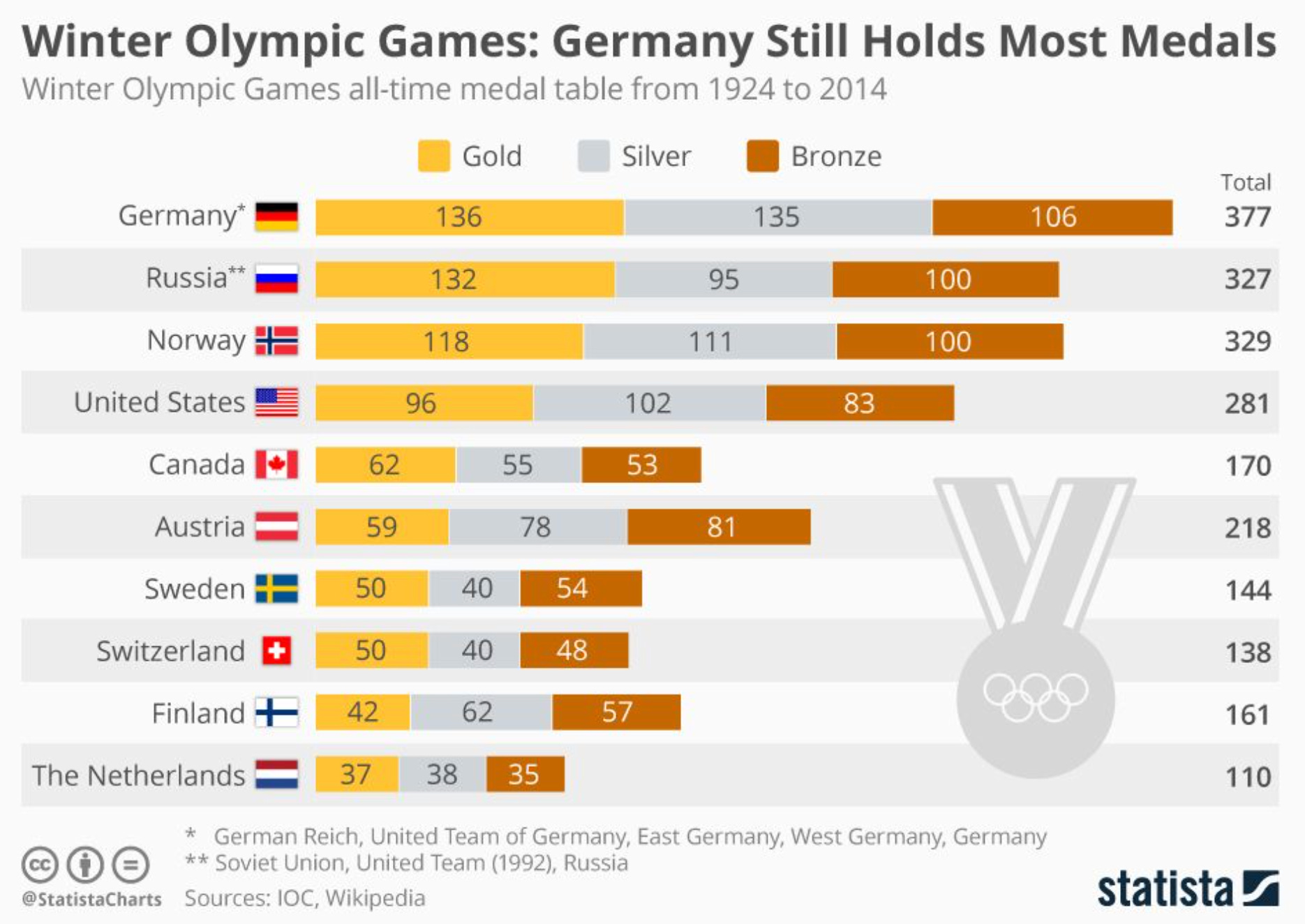
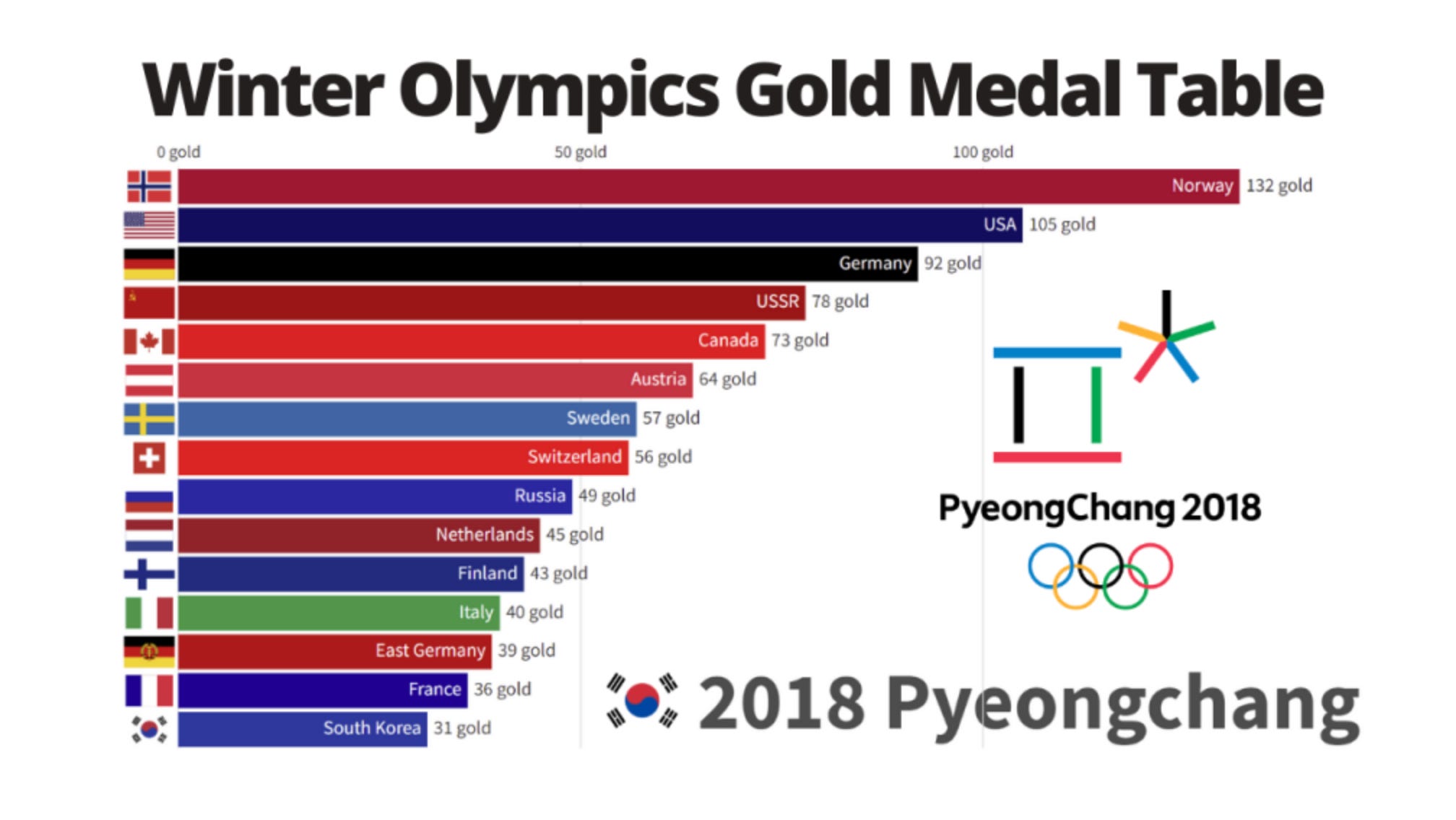
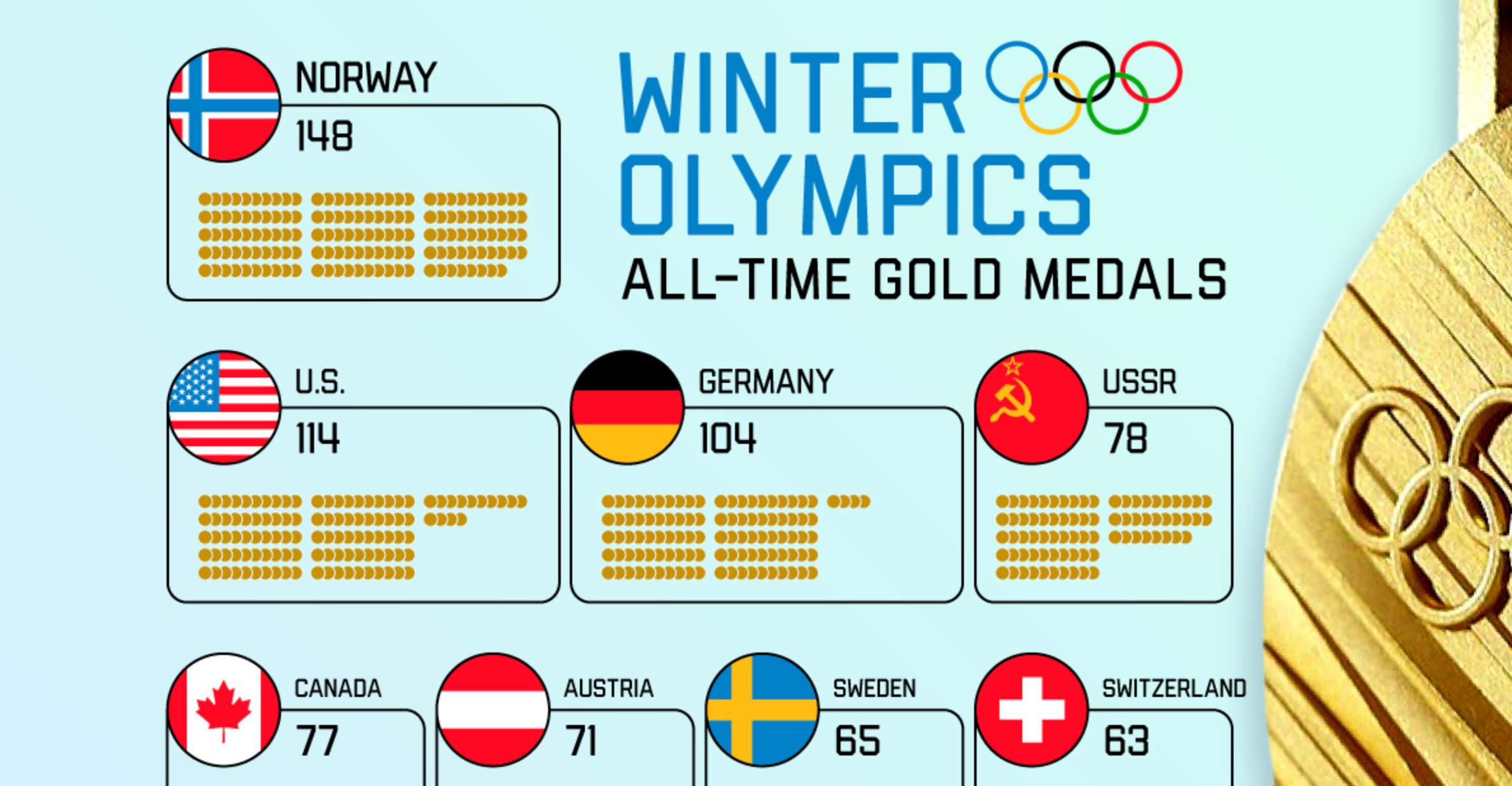
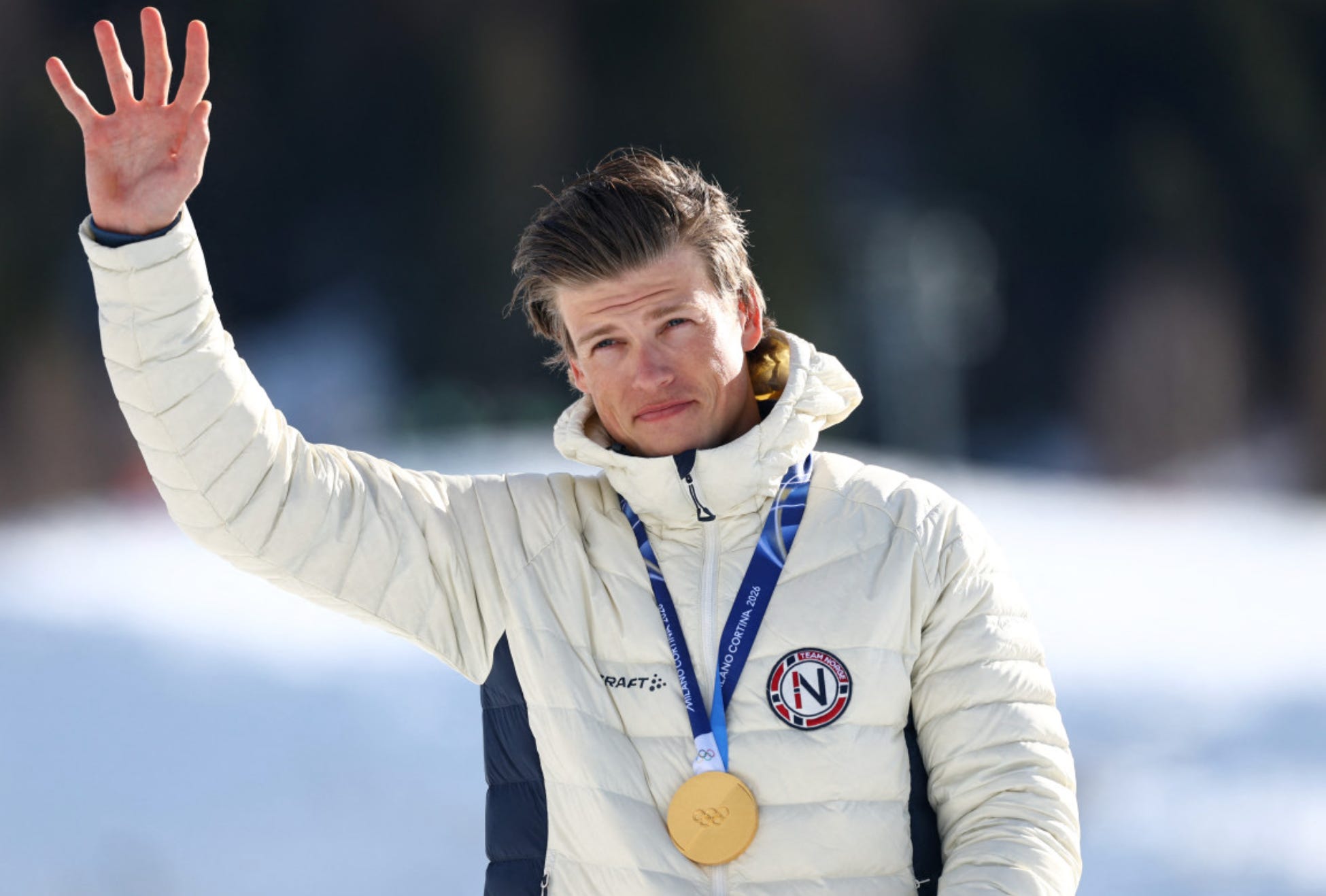
A small country — with a population of about 5.5 million people — keeps dominating the Winter Olympics.
For perspective, that’s fewer people than Massachusetts.
Yet Norway continues to rack up gold medals in skiing, biathlon, speed skating, and cross-country events as if they’re competing with a population ten times their size.
So naturally, the question becomes:
How?
Is it cold weather adaptation?
Genetics?
Government funding?
Mr. Skeptical leans back, unimpressed.
“Please don’t tell me this is another ‘they drink more milk’ story like the Dutch height thing.”
Fair point.
A while back, we talked about how the Dutch became some of the tallest people on Earth over roughly a century — growing nearly eight inches on average — due to nutrition, dairy intake, and agricultural prosperity.
But Norway’s Olympic dominance isn’t coming from what’s in their refrigerators…
It comes from their development philosophy.
Because back in the 1988 Winter Olympics in Calgary, Norway had what many considered a national embarrassment.
They finished the Games with:
0 Gold medals
3 Silver medals
2 Bronze medals
For a country whose identity is deeply tied to winter sports, the outcome sparked frustration, reflection, and a very public sense that something had to change.
That performance became a wake-up call.
So Norway did something radical:
They restructured how they develop athletes from childhood.
And what they built is almost the opposite of how most competitive cultures train youth today.
Subconscious Fat at 10,000 feet
In Norway, children are not pushed into early competition.
In fact, organized competition is intentionally delayed.
Up until roughly age 12–13, organized youth sports operate under strict developmental guidelines:
No official scores
No standings or rankings
No championships
No recorded wins or losses
Kids still play games — but outcomes aren’t emphasized or tracked.
The focus stays on:
Enjoyment
Skill development
Movement variety
Social bonding
Mr. Skeptical squints.
“So they’re not trying to win when they’re young?”
Correct.
Because the Norwegian model isn’t focused on creating the best 10-year-old skier…
It’s focused on creating the best 25-year-old Olympian.
Around ages 13–15, there’s a gradual transition.
Competition is introduced more formally — but still without heavy pressure or early specialization mandates.
Only around 15–16 years old do athletes fully enter structured competitive systems where:
Rankings matter
Championships matter
Winning and losing are official
Elite development pathways begin
By then, athletes are physically more mature, psychologically resilient, and — most importantly — still motivated.
Instead of accelerating competition…
Norway extends childhood.
Subconscious Fat at Eye-Level
Now contrast that with the American model.
Kids specialize early.
Compete year-round.
Travel constantly.
Parents invest thousands before puberty even hits.
And what’s the fallout?
Overuse injuries.
Mental fatigue.
Athletes quitting before peak development years.
Mr. Skeptical smirks.
“So we turn kids into corporate employees before they’re old enough to drive?”
That’s not far off.
Norway also structures youth training around community.
Young athletes attend camps where bonding matters more than beating each other.
They grow up with teammates — not rivals.
By the time serious competition begins, they’re:
Physically mature
Emotionally invested
Mentally resilient
They didn’t get pushed into excellence…
They grew into it.
Practical Suggestions and Conclusions
So what does Norwegian Olympic strategy have to do with Subconscious Fat?
Everything.
Because their model mirrors a principle that applies directly to adult fitness:
Pressure too early → burnout.
Enjoyment first → sustainability.
Many men approach health like American youth sports:
Extreme diets.
Punishing workout plans.
Immediate aesthetic expectations.
And just like burned-out child athletes…
They quit.
Mr. Skeptical folds his arms.
“So men try to win Olympic gold in month one… then disappear by month three?”
Exactly.
They go from sedentary to Spartan overnight.
Instead of building momentum gradually.
Norway builds elite athletes by making movement enjoyable before it becomes competitive.
The adult parallel?
Build habits first.
Intensity second.
Lifestyle before aesthetics.
Because the men who stay lean, strong, and metabolically healthy after 40…
Aren’t the ones who started the hardest.
They’re the ones who stayed consistent the longest.
And long-term consistency — whether in Olympic sport or body composition — is rarely built on pressure alone.
Sometimes…
It starts by simply learning to enjoy the process before trying to dominate it.
Be aware.
Other links related to this post:

Murdaugh and Murder Rhyme

Implanted Memories

One Size Fits All PS Links on LinkedIn, Facebook, Instagram, X, and Notes. Full disclosure: ChatGPT was used to research and enhance this post.
PSS LIVE Zoom LinkedIn webinar on “Is diabetes reversible?” on Wednesday, February 25th, at 5 pm. Click here for details.