

Subconscious Fat at 30,000 feet
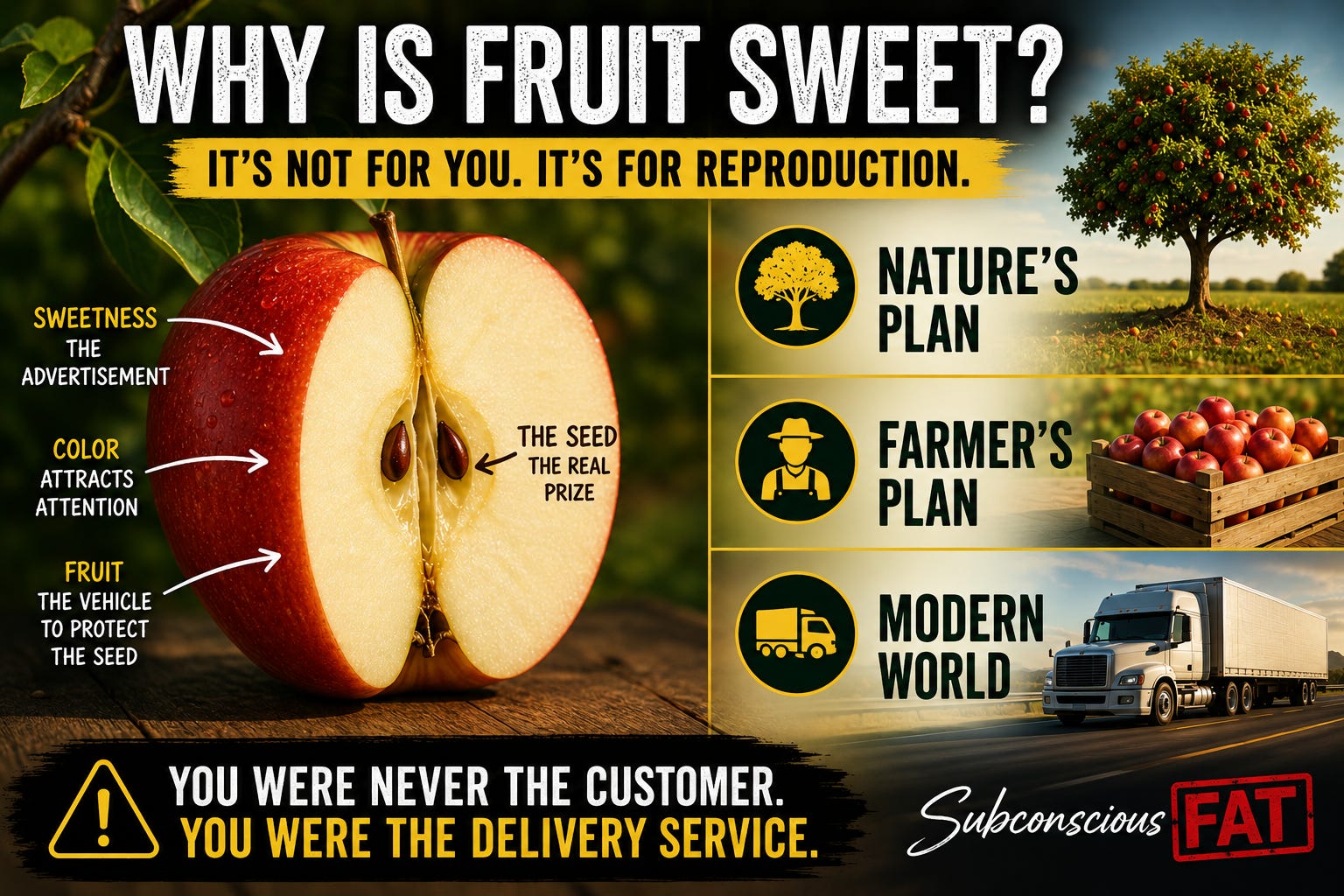
Most people assume fruit is sweet because nature loves us.
Nature does not love us.
Nature is not trying to nourish us, reward us, or help us hit our protein goals.
Nature is trying to reproduce.
A fruit tree has one job: spread its genes.
The fruit is simply the marketing department.
Sweetness is the advertisement.
The goal is simple: convince an animal to eat the fruit, carry the seeds somewhere else, and help the tree reproduce.
Mr. Skeptical scratches his head.
“Wait. So the fruit isn’t for me?”
Not really.
You’re the delivery service.
The tree gets the next generation.
You get a temporary sugar rush.
That’s the deal.
Subconscious Fat at 10,000 feet
Think about what a fruit actually is.
It isn’t the plant.
It isn’t the trunk.
It isn’t the leaves.
It’s the reproductive package.
The fruit surrounds the seed.
The sweetness attracts animals.
The color attracts animals.
The smell attracts animals.
Everything about the fruit is designed to get attention.
In many cases, the seed itself doesn’t want to be destroyed.
That’s why seeds often have protective compounds.
Some seeds can pass through animals intact. Others rely on various defenses to discourage being crushed and digested.
Mr. Skeptical looks annoyed.
“So you’re telling me the fruit is basically a billboard?”
Exactly.
A billboard with sugar.
Nature’s version of advertising.
The sweeter the fruit, the more likely something will notice it.
And if something notices it, the odds of reproduction increase.
But here’s where the story gets even more interesting.
Humans figured out long ago that sweeter fruit sells better.
So farmers and growers selectively bred fruit to become larger, juicier, and sweeter than what existed in the wild.
In other words, the tree wants the fruit to be sweet.
And the farmer wants the fruit to be even sweeter.
Mr. Skeptical raises an eyebrow.
“So nature started the advertising campaign, and humans doubled the marketing budget?”
Exactly.
Subconscious Fat at Eye-Level
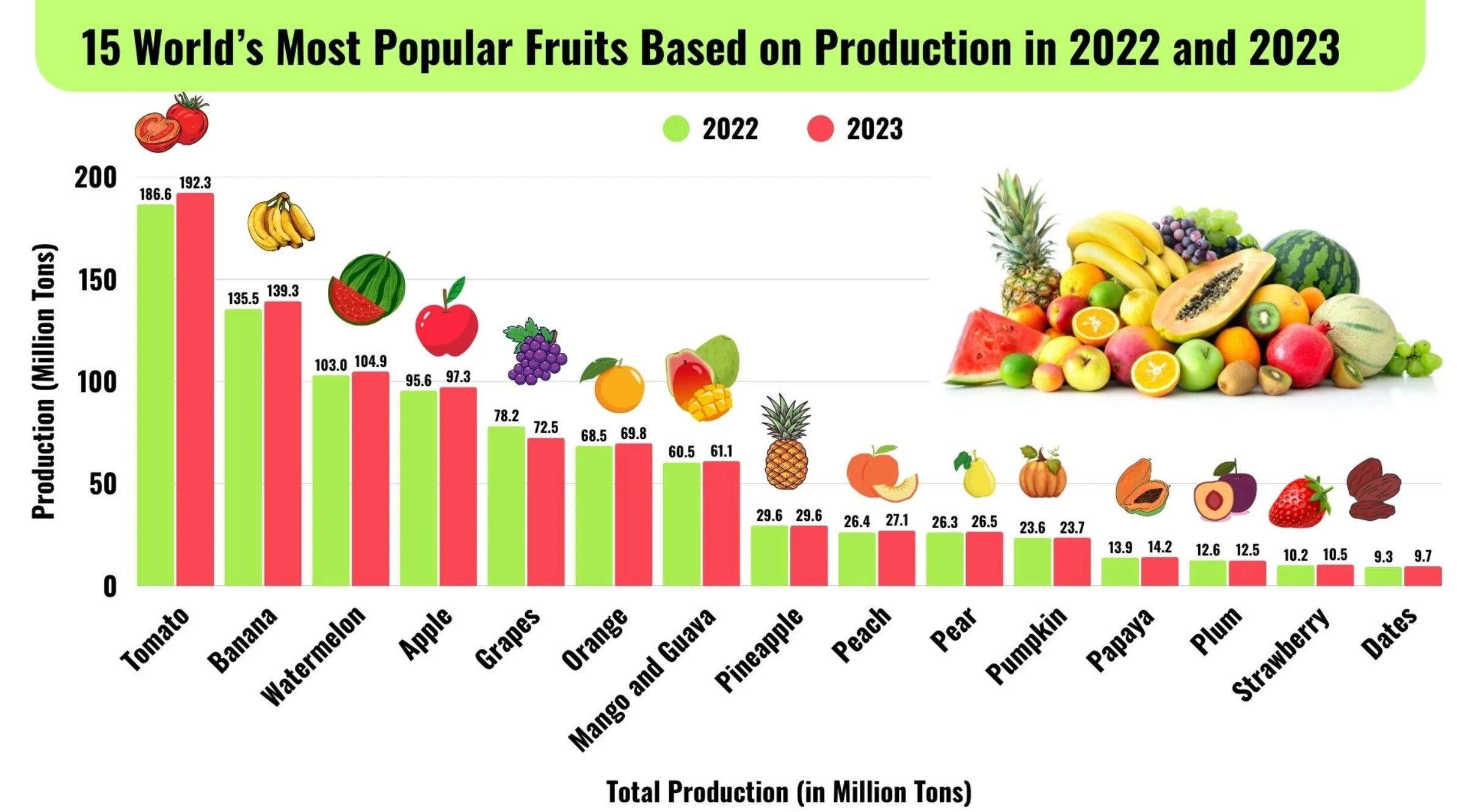
This idea becomes even more important when we look at the modern world.
For most of human history, fruit was seasonal.
If berries were available, they were available.
If they weren’t, they weren’t.
There was no overnight shipping.
There was no refrigerated trucking.
There was no global transportation network.
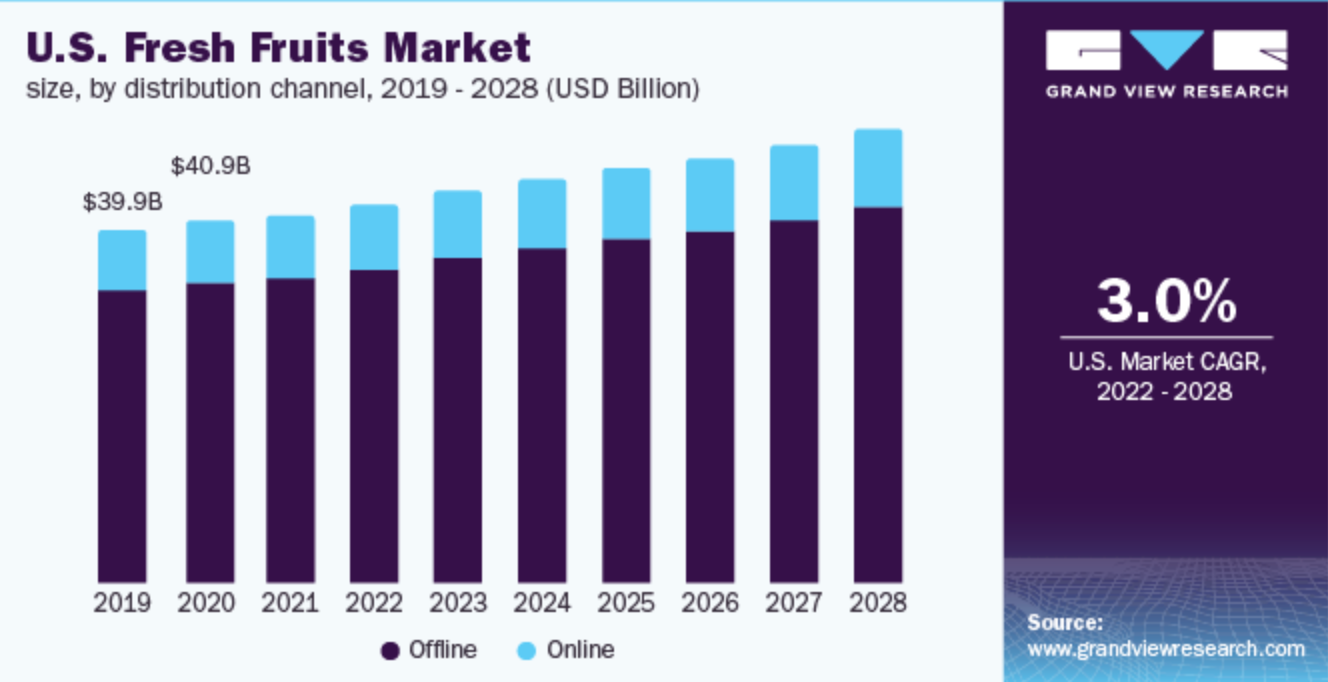
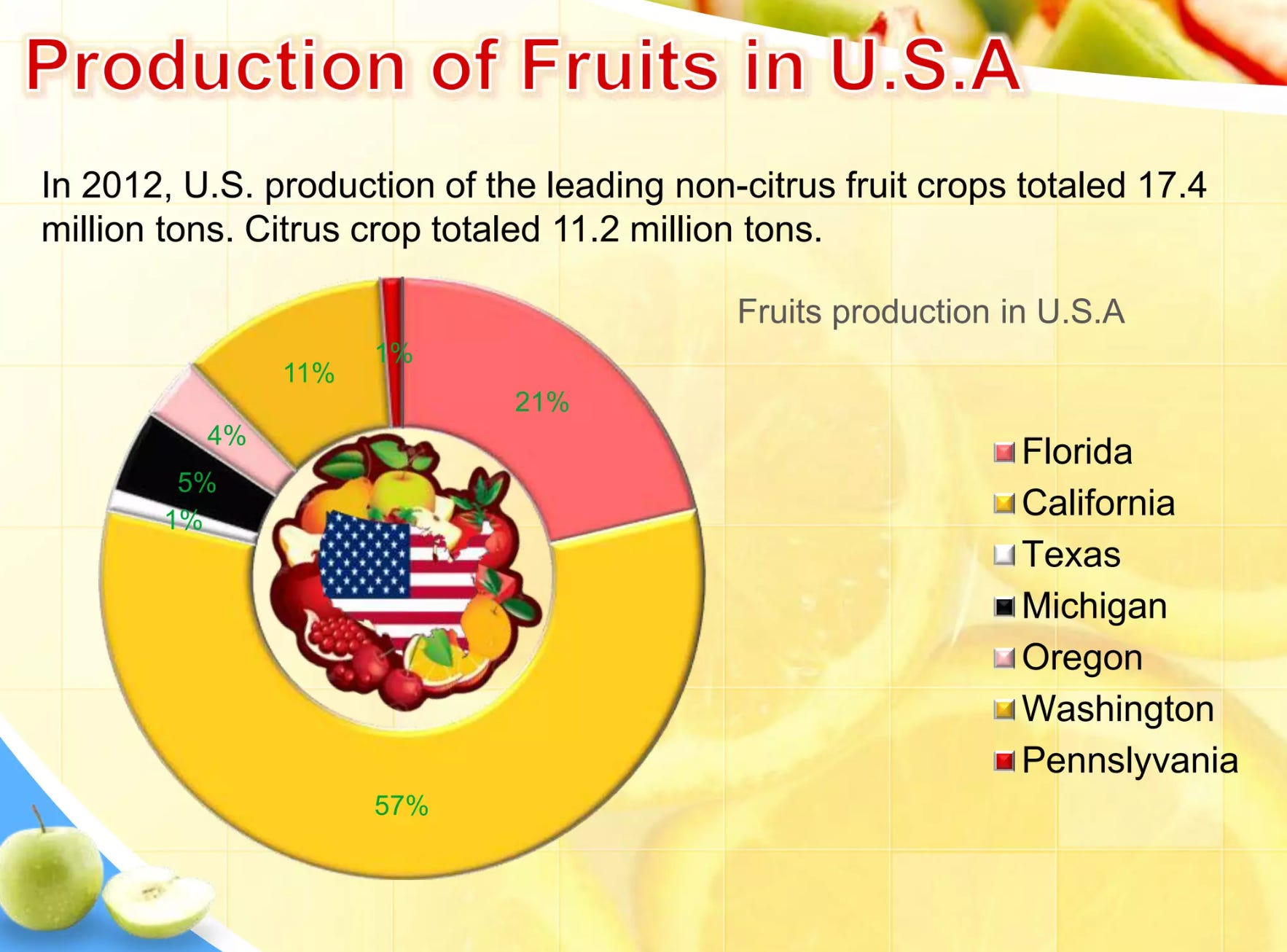
Today, however, you can walk into a grocery store and buy sweet fruit virtually every day of the year.
Fruit that has been transported thousands of miles.
Fruit that has been selectively bred for sweetness.
Fruit that is available regardless of season.
Mr. Skeptical leans back.
“So not only is modern fruit sweeter, but it’s available all the time?”
Exactly.
Our ancestors occasionally encountered sweet fruit.
We encounter it continuously.
That doesn’t automatically make fruit bad.
But it does mean we’re interacting with a food environment that humans never experienced throughout most of our evolutionary history.
Many people view sweetness as proof that a food is somehow designed specifically for human health.
But sweetness evolved because it benefited the plant.
And modern agriculture amplified that sweetness because it benefits sales.
Practical Suggestions and Conclusions
The next time you eat a piece of fruit, ask yourself a simple question:
Why is it sweet?
The answer isn’t random.
The sweetness exists because sweetness attracts attention.
And attention helps reproduction.
First the tree benefited.
Then the farmer benefited.
And today, the transportation industry makes sure that sweetness is available almost everywhere, all year long.
Understanding that doesn’t mean you must avoid fruit.
It simply means you start looking at food through a different lens.
One that’s less emotional and more evolutionary.
Mr. Skeptical pauses.
“Okay... if fruit is sweet because plants want animals to eat it, then why are so many vegetables bitter?”
That’s a great question.
And it might just be the topic for a future newsletter.
Be aware.
Other links related to this post:
A Fruit for Giant Beasts…and Keto Humans
PS Links on LinkedIn, Facebook, Instagram, X, and Notes. Full disclosure: ChatGPT was used to research and enhance this post.