

Subconscious Fat at 30,000 Feet
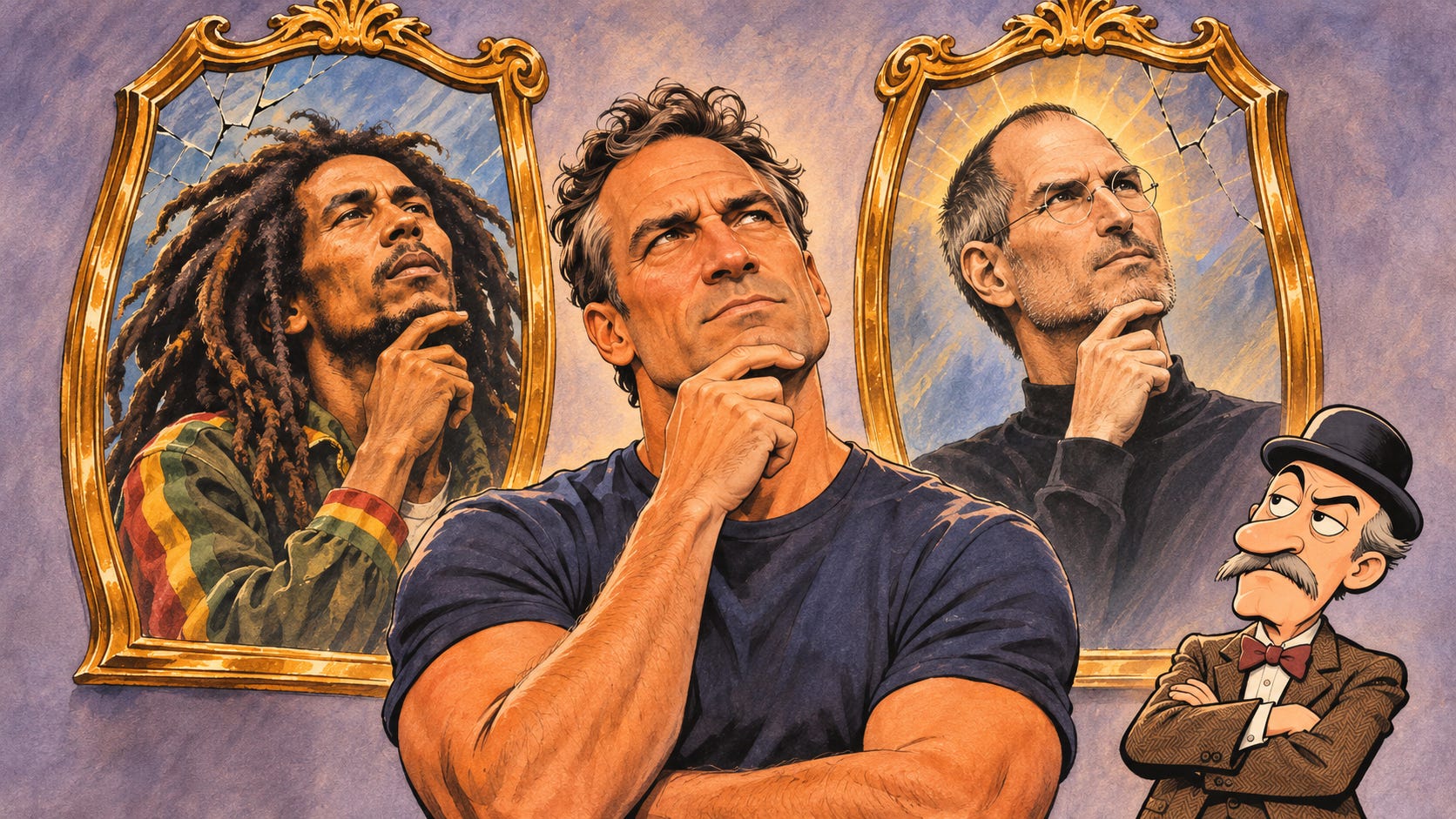
One changed how the world listened. The other changed how the world communicated.
Bob Marley and Steve Jobs built extraordinary legacies. But their stories share another, more unsettling connection: both faced cancer and resisted a recommended surgical treatment.
Marley declined amputation of a cancerous toe. Jobs delayed surgery while exploring alternative approaches.
Both eventually died from their diseases. It raises a question worth asking before any of us faces a frightening diagnosis:
When does trusting yourself become refusing to reconsider?
Mr. Skeptical folds his arms.
“So the lesson is to obey every doctor without asking questions?”
No. Ask questions. Seek another qualified, unbiased opinion. Understand the risks.
But make sure you’re looking for better information—not simply someone willing to tell you what you want to hear.

🎙️ The Better Wealth & Health Podcast drops tomorrow Friday at 11:57 a.m. ET
My guest this week is Scott Lappin, a movement coach based in Delray Beach, Florida, and the creator of the Moving Edge Workshop. Scott draws on his years in professional ballroom dance to help teams build trust and communicate better. In his workshops, he uses simple movement exercises to help people notice what they’re saying with their bodies before they say a word. MovingEdgeWorkshop.com
Subconscious Fat at 10,000 Feet
Let’s get the stories straight.
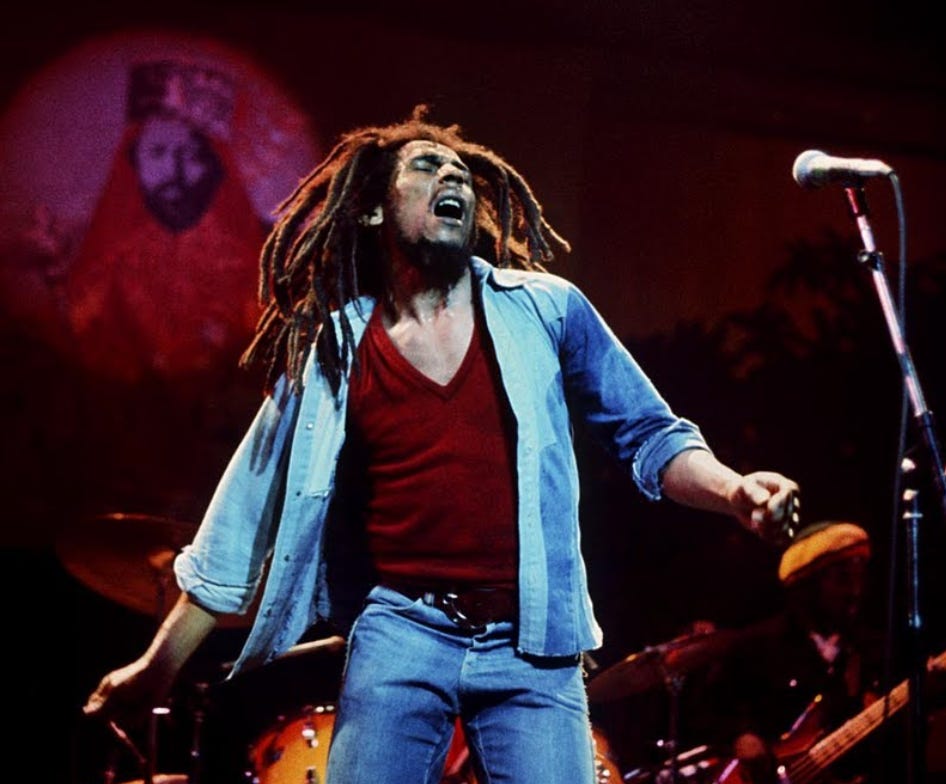
In 1977, Marley was diagnosed with acral lentiginous melanoma, a form of skin cancer involving his right big toe. Doctors recommended amputation. He declined, reportedly because of his Rastafarian beliefs, but accepted removal of affected tissue around the nail bed and a skin graft.
He did receive medical treatment. This wasn’t simply a man ignoring an infection, performing a concert, and dying because antibiotics hadn’t worked. He died in May 1981, aged 36, after his cancer spread.
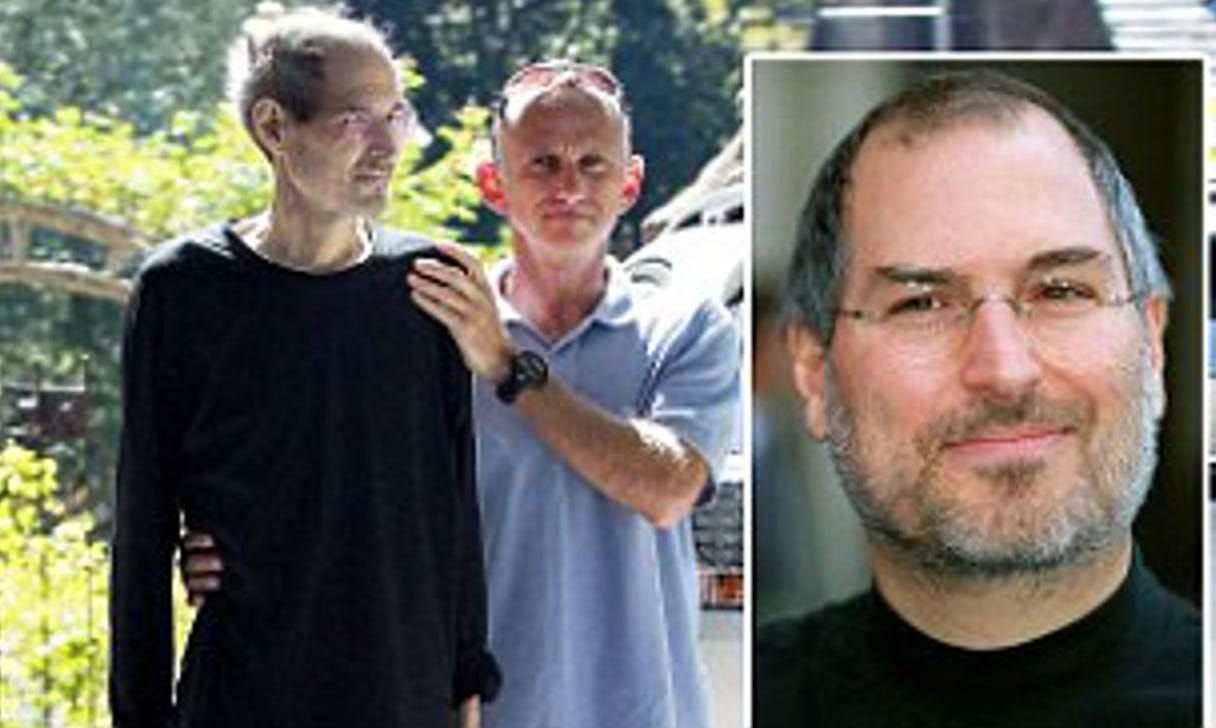
Jobs’s cancer was different: a pancreatic neuroendocrine tumor, distinct from the more common pancreatic adenocarcinoma. Diagnosed in 2003, he underwent surgery in 2004 after delaying for approximately nine months. According to biographer Walter Isaacson, he explored dietary and alternative treatments and later regretted the delay. His reluctance included discomfort with invasive surgery—not merely an unwillingness to take time off work. He died in 2011, aged 56.
Mr. Skeptical smirks, “But you can’t prove the delay killed him.”
No. It’s impossible to know for certain, but Jobs had a curable form of pancreatic cancer. When this type remains confined to the pancreas, five-year relative survival is around 90%. So the surgery would have likely saved his life.
The connection between Marley and Jobs is a documented reluctance to accept recommended treatment. The precise consequences cannot be reconstructed with certainty.
Subconscious Fat at Eye-Level
It’s easy to judge someone else’s decision after knowing the ending.
It’s harder to recognize the same habit in ourselves.
We postpone the appointment because we feel fine. We dismiss an uncomfortable result because we exercise. We collect reassuring opinions while avoiding the question that frightens us.
These everyday choices aren’t equivalent to cancer treatment. But the reasoning can sound familiar: I know my body. I’m different. I’ll handle it my way.
I can practically hear Mr. Skeptical preparing his next objection.
“You’re the guy who talks about food, exercise, and questioning conventional advice. Isn’t this a little inconvenient?”
It would be inconvenient if I claimed lifestyle could replace every medical treatment.
Yet, I can relate to Marley and Jobs and understand their skepticism toward medical treatment.
I myself rejected surgery for my left pinky toe after an e-bike accident, but only after I got 2 other unbiased (one of them asked which podiatrist recommended surgery and I refused to say) podiatrists to agree surgery wasn’t needed.
Mr. Skeptical looks up, remembering. “Yeah, I remember, that was about 3 years ago, and how is your toe doing?”
Perfectly fine. I never needed the surgery, and I’m glad I refused it. But I did my due diligence by getting two more unbiased opinions. See that post here.
Food, resistance training, sleep, and daily habits deserve serious attention. So do diagnosis, appropriate treatment, and the limits of our own expertise.
A nutrition preference cannot tell you whether a tumor has spread. Being fit doesn’t make you qualified to interpret every medical finding. And success in business, music, or coaching doesn’t automatically transfer to oncology.
I can have strong convictions about how I eat and still recognize when a decision requires expertise I don’t possess.
That isn’t surrendering responsibility. It’s taking responsibility seriously.
Practical Suggestions & Conclusions
If a medical recommendation frightens you, slow the conversation down—but ask whether delaying treatment is medically safe.
Ask your clinician:
What exactly is the diagnosis?
What are the benefits and risks of the recommended treatment?
What could happen if I wait?
Are there reasonable alternatives, and how strong is the evidence behind them?
Would a second opinion from the appropriate specialist help? (And don’t tell one specialist who the other doctor is, for they are like a fraternity. If they know and like each other, they are way less likely to be 100% honest.)
Be honest about any supplements or alternative treatments you’re considering. Give your care team the complete picture.
And notice your own motives. Are you seeking clarity—or collecting permission to avoid something uncomfortable?
“So I’m allowed to be skeptical?”
Absolutely.
Marley and Jobs deserve compassion, not smug hindsight. We cannot rerun their lives and promise a different ending.
We can learn to distinguish confidence from certainty, hope from evidence, and an informed decision from an indefinitely postponed one.
Sometimes the most important thing to change your mind about is the belief that you don’t need to.
Be Aware
Other links related to this Post:
Traumatic VS Chronic Medical Care
When the Experts Are Wrong: From Christina Applegate to George Washington
PS Links on LinkedIn, Facebook, Instagram, X, and Notes.
Full disclosure: ChatGPT was used to research and enhance this post.
🎙️ The Better Wealth & Health Podcast with guest Scott Lappin drops tomorrow at 11:57 AM Eastern.