

Subconscious Fat at 30,000 feet
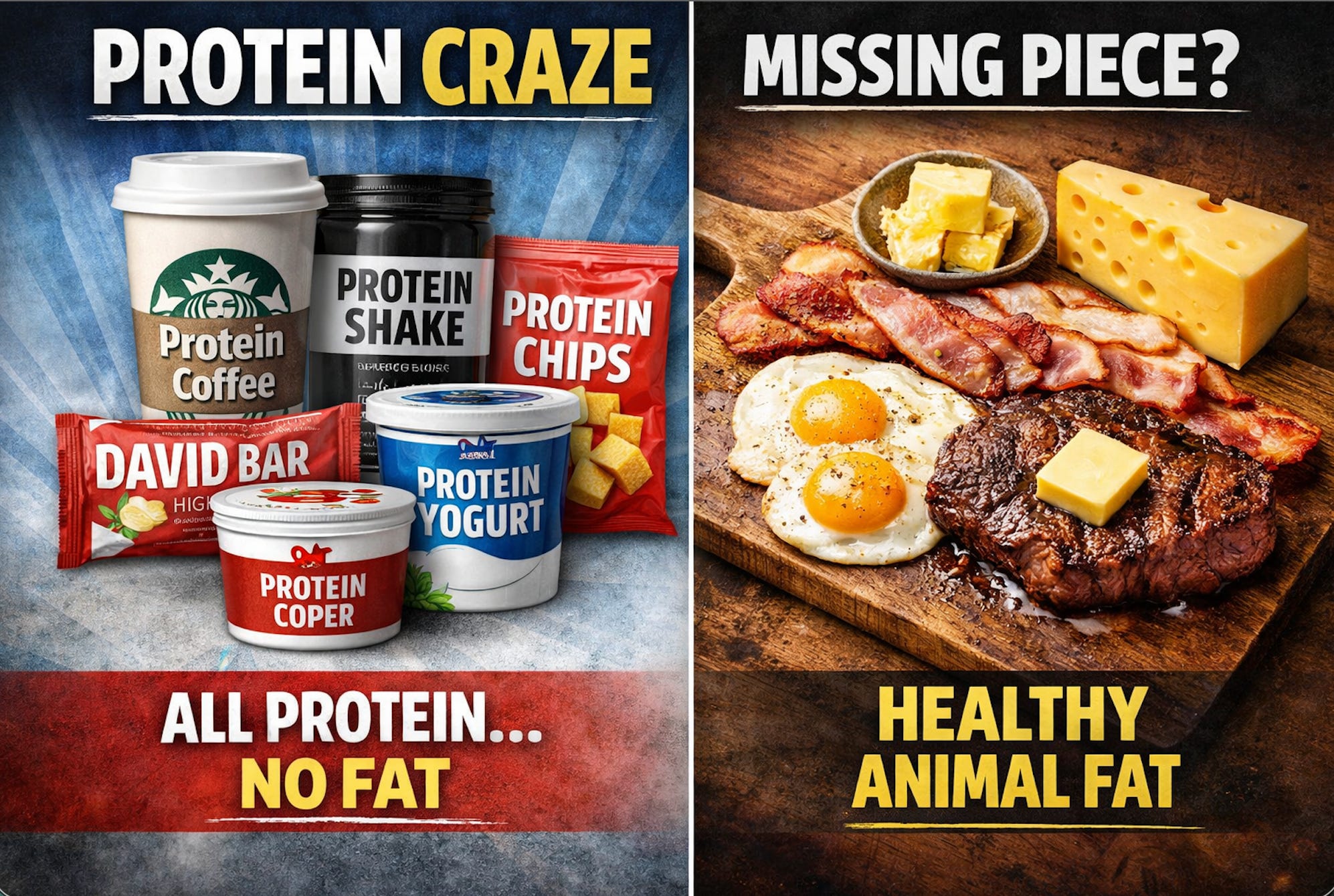
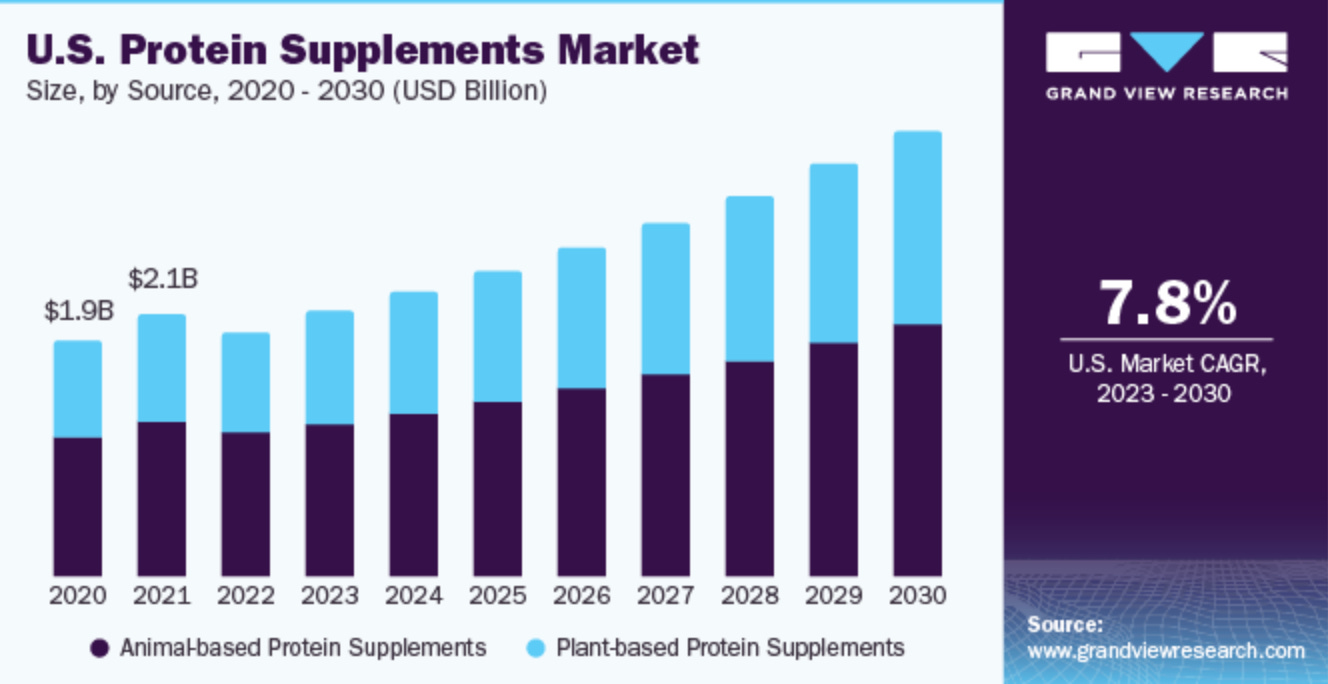
Protein is having a moment.
Everywhere you look—“+20g protein,” “high protein,” “protein enhanced.”
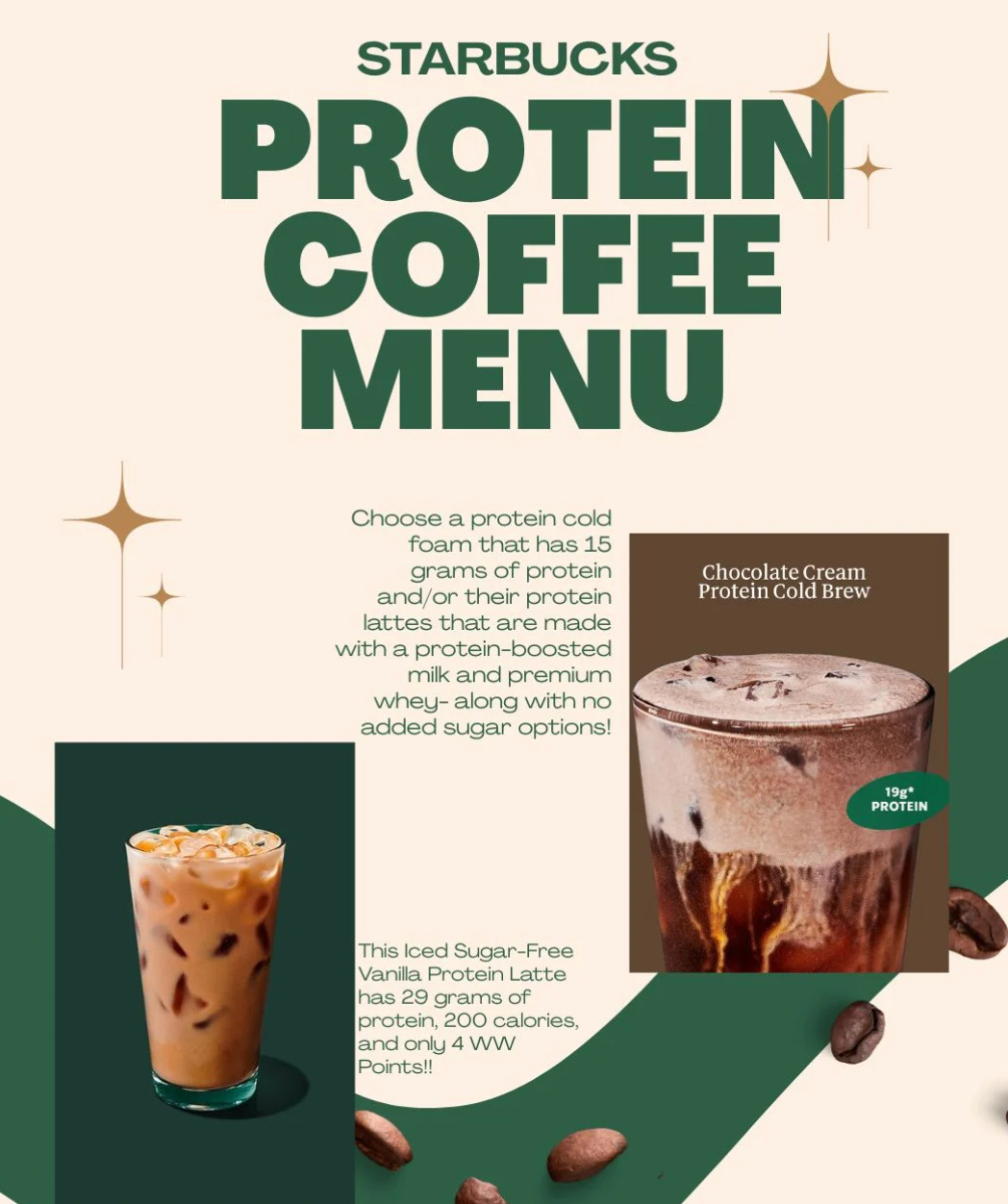
Walk into Starbucks and now your coffee can come with added protein. Grab a snack and you’ve got bars like David Bar. Yogurt brands like Oikos and Chobani are competing to see who can cram in more protein grams.
And on the surface?
This is a good thing.
More protein is a massive upgrade from the sugar-heavy, low-fat nonsense most people have been living on.
But…
There’s a catch.
And it’s a big one.
Subconscious Fat at 10,000 feet
Protein doesn’t work the way most people think it does.
It’s not just “more is better.”
Protein without fat is like trying to run a car on high-octane fuel… with no oil in the engine.
Eventually, something breaks.
Mr. Skeptical leans back, arms crossed…
“Wait, I thought protein was the holy grail now. Everywhere I go—protein coffee, protein bars, protein yogurt. Isn’t more protein the goal?”
Not exactly.
Your body can only handle so much lean protein before it starts running into problems.
There’s actually a term for it—protein poisoning.
Early Arctic explorers figured this out the hard way.
Vilhjalmur Stefansson lived with the Inuit and documented something interesting:
If they ate too much lean meat without enough fat, they got sick.
Fast.
Fatigue. Nausea. Weakness.
It wasn’t a lack of calories.
It was a lack of fat.
When Stefansson and a colleague later did a controlled experiment, they proved it—high protein without sufficient fat led to clear negative symptoms… which disappeared once fat intake increased.
Mr. Skeptical raises an eyebrow…
“So you’re telling me all this ‘lean protein everything’ might not be the move?”
Now you’re catching on.
Subconscious Fat at Eye-Level
Look at how most people are consuming protein right now:
Protein bars.
Protein shakes.
Protein coffee.
Low-fat, high-protein yogurt.
What’s missing?
Fat.
And not just any fat—animal fat.
Because when you strip protein away from its natural context (meat, eggs, whole foods)… you’re left with an incomplete fuel source.
Your body doesn’t just want protein.
It needs energy.
And fat is the cleanest, most stable energy source you can give it.
When you eat protein with fat:
You stay fuller, longer
Your energy is more stable
Your hormones function better
Your body actually uses the protein more effectively
When you eat protein without fat?
You’re constantly chasing more food… more snacks… more “protein products.”
Mr. Skeptical smirks…
“So that’s why I can eat a ‘high-protein’ snack and still be hungry 30 minutes later?”
Exactly.
Because your body isn’t just asking for protein.
It’s asking for fuel.
Practical Suggestions and Conclusions
Protein is not the enemy.
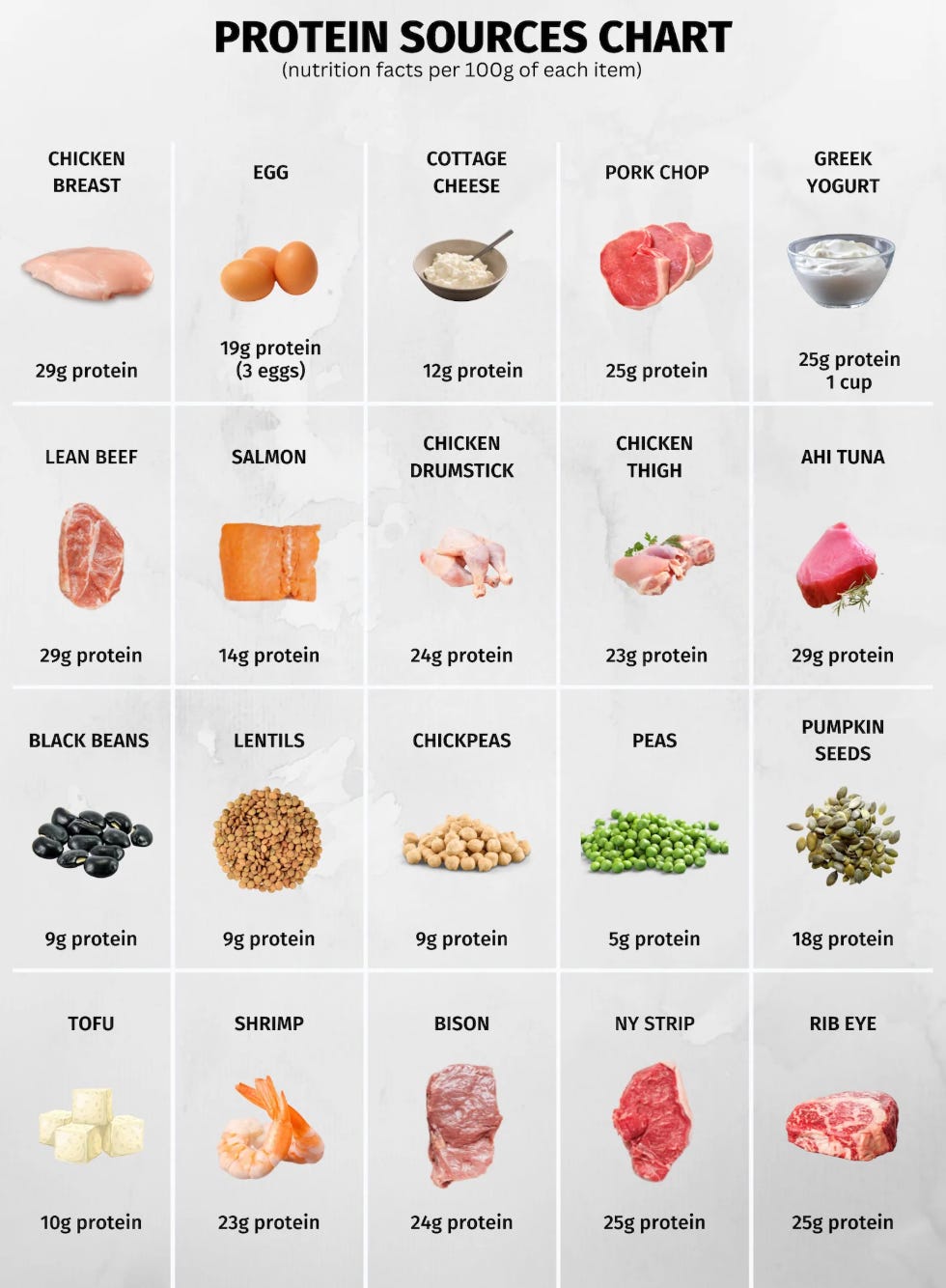
In fact, most people should be eating more of it.
But the current trend is missing the point.
It’s not protein vs carbs.
It’s protein WITH fat vs everything else.
If you want to keep this simple:
Prioritize whole food sources: meat, eggs, fish
Don’t fear the fat—seek it out
Stop relying on processed “high-protein” products as your foundation
And if you’re going to use something like a bar or a shake?
Fine.
Just don’t let that replace real food.
Mr. Skeptical tilts his head…
“So let me get this straight… all these companies stripped the fat out, slapped ‘high protein’ on the label… and now we’re surprised people are still tired and hungry?”
Yeah.
Funny how that works.
Because in the end, your body doesn’t run on trends.
It runs on biology.
And biology doesn’t do well on half the equation.
Be aware.
Other links related to this post:
PS Links on LinkedIn, Facebook, Instagram, X, and Notes. Full disclosure: ChatGPT was used to research and enhance this post.
solid
Great article !!!!!