

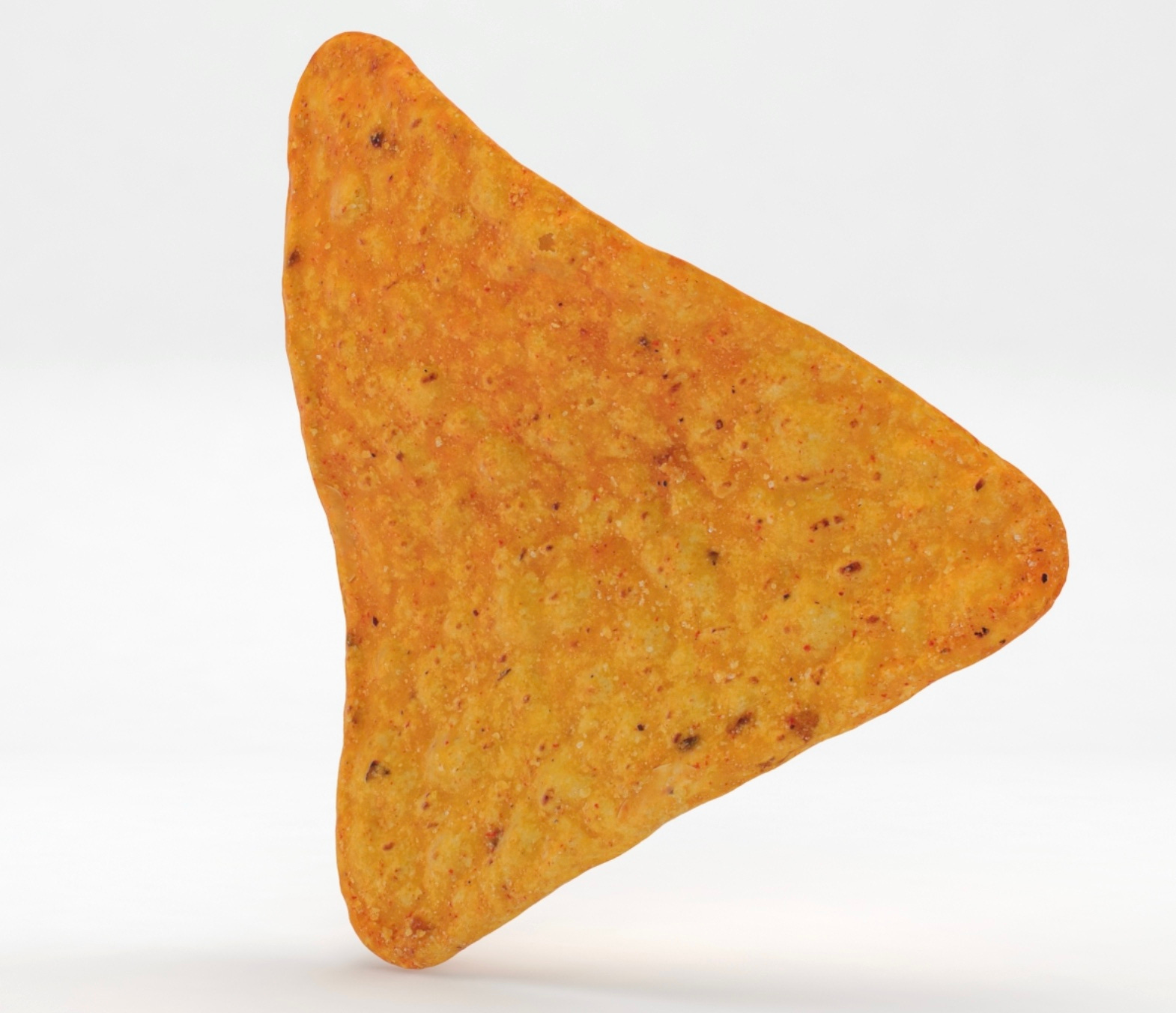
Mr. Skeptical looks at me with his head tilted a little. “You’ve gotten sick of meat and converted to junk food?”
I laugh. “No, I’m still in favor of meat, but this one Dorito chip thing is quite an interesting hack.”
Subconscious Fat at 30,000 Feet
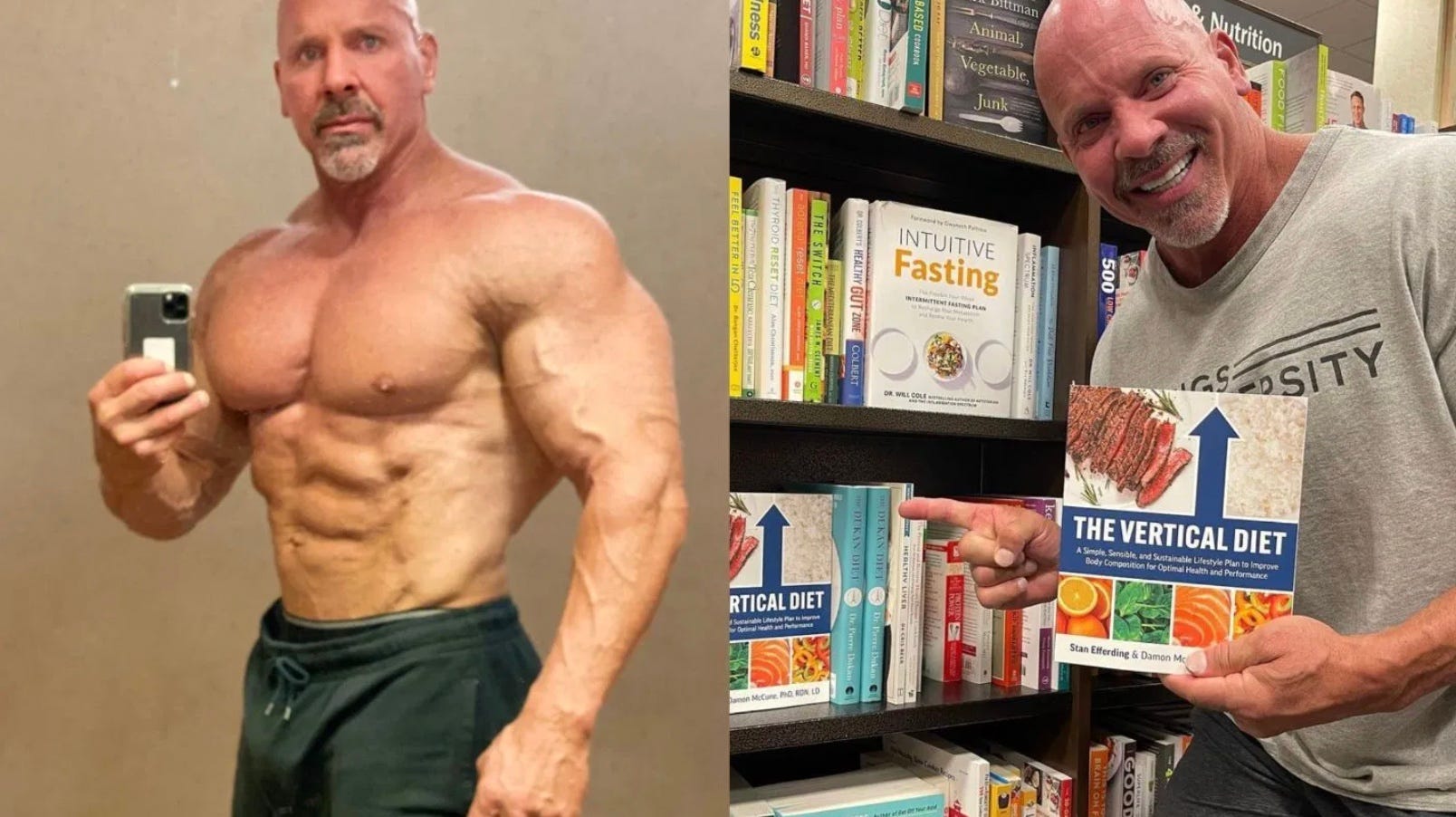
Stan Efferding, IFBB pro bodybuilder and creator of The Vertical Diet, once gave his clients a strange assignment.
He told them:
“If you can’t get your protein meal down, eat one Dorito first.”
One Dorito. Not a handful, not the whole bag. Just one.
It sounds ridiculous — until you realize it works. That single chip lights up the brain’s reward circuits, kick-starting appetite so the “boring” protein meal suddenly goes down easier.
The trick works too well. It’s a glimpse into how modern food hijacks the very system that once kept us alive — now keeping us hungry instead.
Mr. Skeptical puts his hands up. “Wait, so the solution to eating clean… is junk food?”
“No, the point is that junk food never stops at one.”
Subconscious Fat at 10,000 Feet
Efferding’s Dorito experiment isn’t about chips — it’s about neurochemistry.
That single bite of ultra-processed food floods the brain with dopamine and endorphins — signals of reward and anticipation.
The crunch, the salt, the engineered “bliss point” of fat and carb together — they tell your hypothalamus: food jackpot.
In evolutionary terms, that reaction was priceless. Finding something salty and fatty in the wild meant survival.
In a Dorito, it means trouble.
Research in Cell Metabolism (2023) showed that ultra-processed foods rewire dopamine signaling in the striatum, making people eat 15–20% more calories per meal than when given whole-food equivalents — without realizing it.
That’s the biology behind Efferding’s trick: a microdose of food-industry wizardry that overrides satiety and activates hunger on command.
Mr. Skeptical adds, “So basically, the Dorito is a button that tells your body, ‘Forget full — we’re just getting started.’”
“Exactly. It’s an appetite switch disguised as a snack.”
Subconscious Fat at Eye-Level
We like to think that overeating is about willpower, but it’s really about engineering.
Every modern processed food is designed to bypass the body’s feedback loop — the signals that used to tell us we were done.
The crunch triggers hearing satisfaction.
The salt wakes up the tongue’s nerves.
The fat carries flavor molecules that linger just long enough to make you want another hit.
That’s why one Dorito is never one Dorito.
It’s also why protein-first diets work — protein has a high satiety index, stimulating GLP-1 and CCK, hormones that slow digestion and shut down hunger signals.
Efferding’s “one Dorito” trick was a teaching tool: a way to make his athletes feel the chemical difference between real hunger and manufactured craving.
Mr. Skeptical comments, “So, the Dorito isn’t the villain — it’s the teacher. The crunchy, orange-fingered sensei of self-control.”
“Exactly — but most people never graduate from the class.”
Practical Suggestions and Conclusions
You don’t have to swear off chips for life — but it helps to respect them for what they are: neuro-engineered motivation.
Try this instead:
Eat protein first. A piece of chicken, eggs, Greek yogurt — something real.
If you’re still hungry afterward, have the treat — you’ll usually want less of it.
Don’t snack from the bag. Design your environment like you’d design your diet.
Notice how fast you lose control. Awareness turns mindless eating into data.
Once you recognize how easily your brain can be gamed, you start to take your cues from the body again — not the flavor lab.
Mr. Skeptical comments, “So part of this is realizing that food (especially junk food) can be addictive.”
“Yep, but I still say that food addiction can be relative.”
Mr. Skeptical folds his arms. “Relative?”
“Sure, I’ll often eat pork rinds till I’m stuffed, and I don’t feel guilty afterwards because I know they are good for me—the same with a large piece of steak. I’m okay admitting I’m addicted to meat.”
He rolls his eyes. “Anyway, it seems one Dorito can teach you everything about modern nutrition?”
“Pretty much.” (I raise my buttered coffee in a mock toast.) “One Dorito to rule them all.”
Be aware.
Other links related to this post:

Who was Dr. John Harvey Kellogg?

The Genetic Component of Addiction

Know Your AddictionsPS Links on LinkedIn, Facebook, Instagram, X, and Notes. Full disclosure: ChatGPT was used to research and enhance this post.