

Subconscious Fat at 30,000 feet
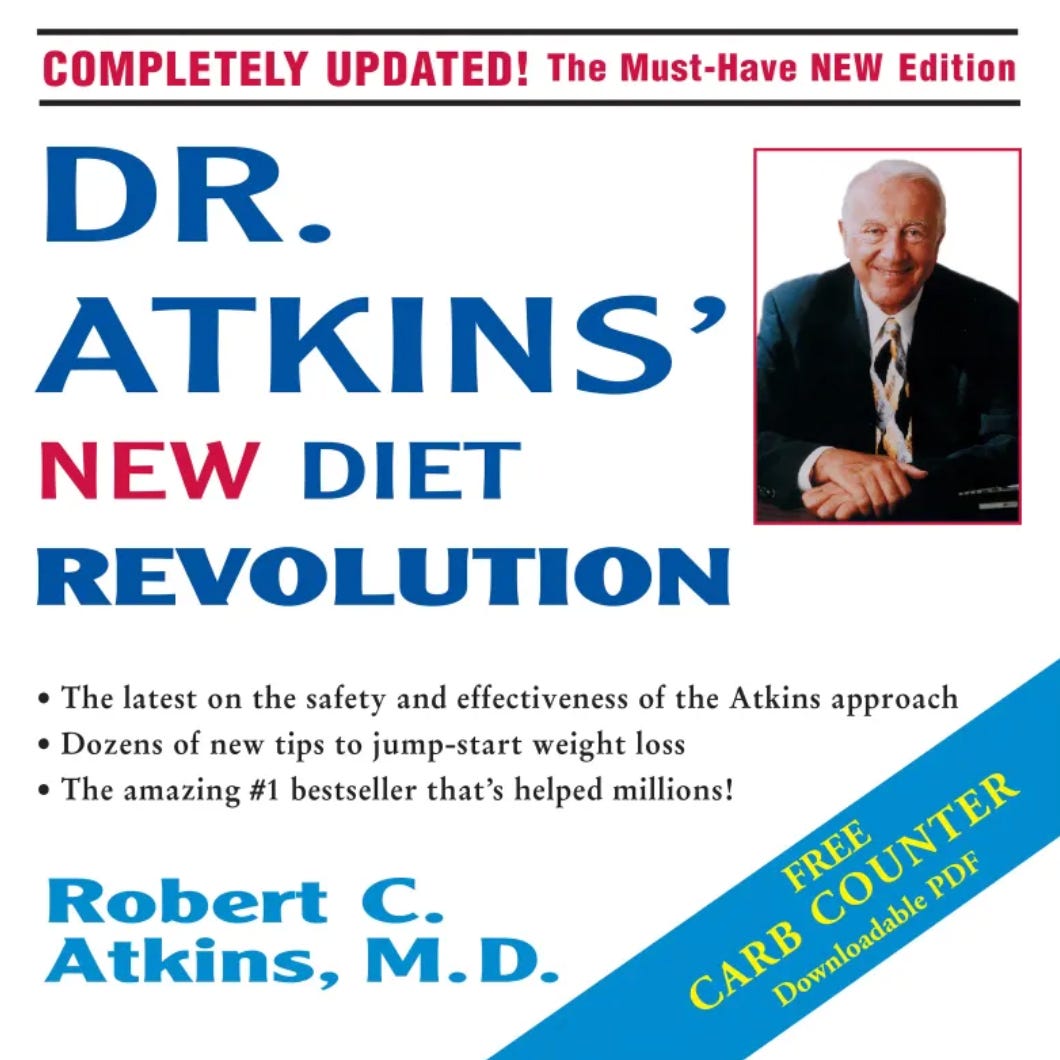
Dr. Robert C. Atkins did not invent low-carbohydrate eating, but he helped bring it into the modern mainstream.
At a time when dietary fat was being treated like the nutritional equivalent of radioactive waste, Atkins told people to drastically reduce carbohydrates and stop being afraid of meat, eggs, butter, and other satisfying foods.
That was revolutionary.

Master Mendivil is the founder of SilverNinjas and the creator of Dynamic Balance, a specialized training approach that enhances stability, reflexes, and body control through the intentional motion of martial arts. He offers online sessions, in-person classes, and leads workshops and demonstrations to help learners of all ages develop confidence, discipline, and skill. A spiritually grounded individual, accomplished artist, and active community leader, Master Mendivil brings creativity, purpose, and heart to every aspect of his teaching.
JR Mendivil, BSM, RScP ph. (949) 438-0310
🎙️Podcast interview with Master Mendivil drops tomorrow at 11:57 AM ET
Dr. Atkins’ original program began with a very low-carbohydrate phase called Induction. During later phases, however, followers were encouraged to gradually reintroduce foods such as fruit, legumes, starchy vegetables, and eventually some whole grains.
My interpretation?
Dr. Atkins did not go far enough.
Mr. Skeptical lowers the bowl of fruit he was about to start eating.
“Are you criticizing the man who helped start the entire low-carb revolution?”
I am not criticizing the revolution, Mr. Skeptical.
I am asking whether the revolution stopped halfway across the battlefield.
Atkins helped millions of people understand that carbohydrates were not nutritionally innocent and that eating more dietary fat did not automatically make someone fat. But he still seemed to assume that people eventually needed to work fruits, vegetables, and other carbohydrates back into their diets.
Perhaps he believed an extremely low-carbohydrate diet would be too restrictive to maintain.
Perhaps the cultural pressure to include fruits and vegetables was simply too powerful.
But what if people did not necessarily need to add them back?
Subconscious Fat at 10,000 feet
The Atkins diet was not exactly the same thing as today’s ketogenic diet.
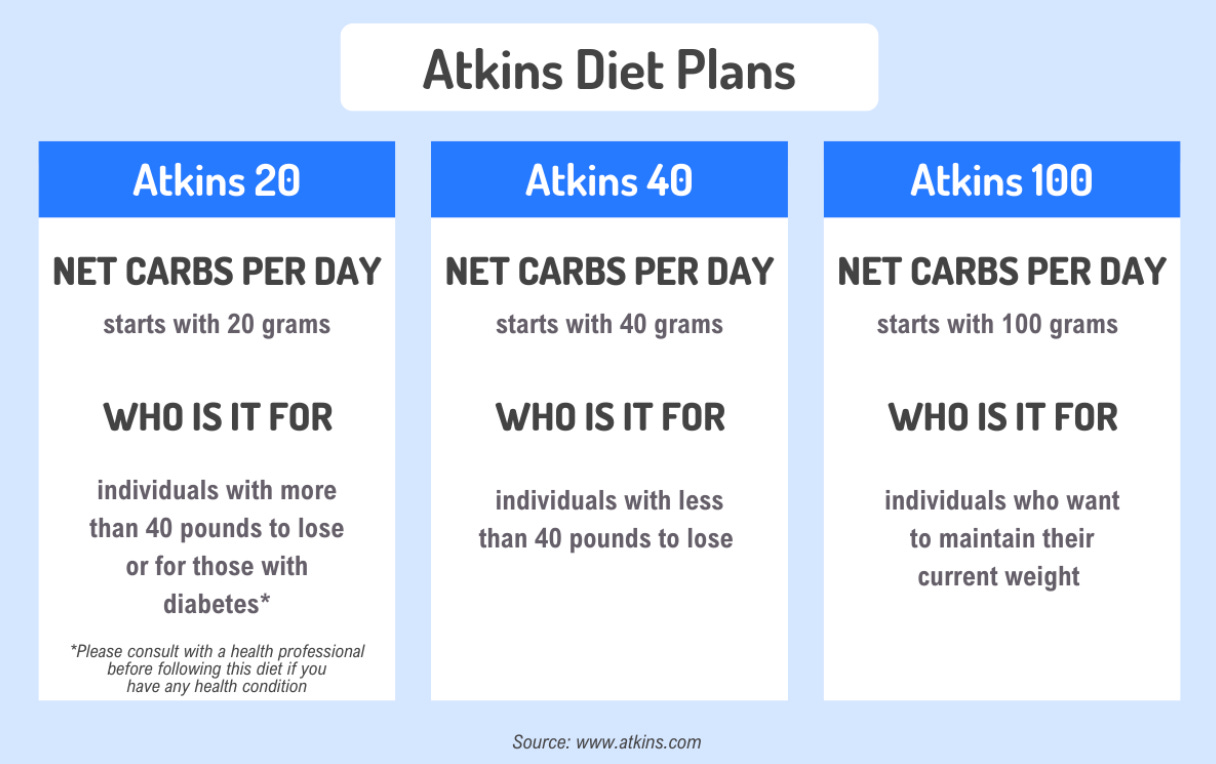
Atkins was a multiphase weight-loss program. Its strictest phase was low enough in carbohydrates to push many people toward ketosis, but later phases allowed progressively more carbohydrates.
Modern ketogenic diets usually place greater emphasis on deliberately maintaining ketosis by keeping carbohydrates very low, protein adequate, and fat relatively high.
Then came other low-carbohydrate approaches.
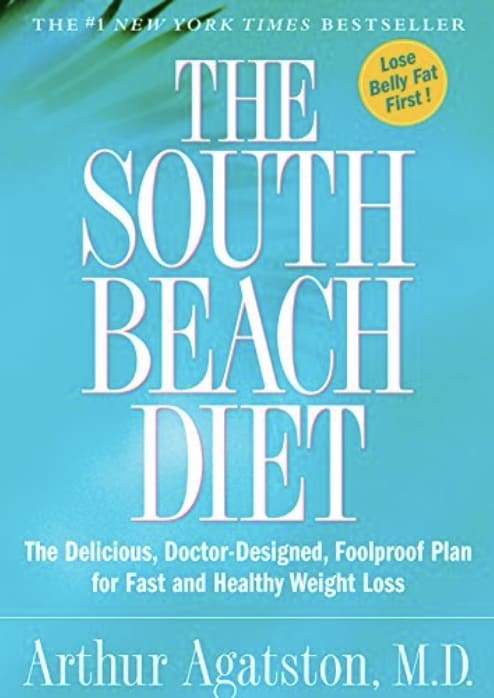
The South Beach Diet, for example, separated carbohydrates and fats into supposedly “good” and “bad” categories. It included lean protein, selected fats, and controlled amounts of carbohydrates, but it did not necessarily require followers to remain in ketosis.
Mr. Skeptical begins drawing a family tree on a napkin.
“So Atkins gave birth to keto, keto gave birth to carnivore, and South Beach is the confused cousin who lives near Miami?”
Not exactly.
The ketogenic diet existed long before Atkins and was originally developed medically for epilepsy. Carnivore eating also has historical roots that predate today’s social-media movement; well, it’s what actually made us human, so it predates everything.
But culturally, I believe many people followed a recognizable path:
First, they questioned fat.
Then, they reduced carbohydrates.
Then, they discovered ketosis.
Finally, some of them asked the forbidden question:
If I feel better with fewer plant foods, why am I forcing myself to eat them?
Subconscious Fat at Eye-Level
That question helped create today’s carnivore movement.
A carnivore diet generally removes fruit, vegetables, grains, beans, sugar, and nearly all other plant foods. The diet is built primarily around meat, seafood, eggs, animal fats, and—depending on the individual—some dairy.
That does not mean everyone following this philosophy eats nothing but ribeye and salt.
Some people are extremely strict.
Others are what I call carnivore-ish.
That describes me.
Most of my nutrition comes from animal products, but I am not trying to earn a certificate from the Carnivore Police. I often eat avocados, fermented dairy, dark chocolate, seasonings, ice cream, or another non-carnivore food.
Mr. Skeptical takes out a clipboard.
“I’m afraid the Carnivore Police have received an anonymous report about your cinnamon.”
They can investigate the spice cabinet later.
The important point is that dietary labels should serve the individual—not imprison him.
Atkins challenged the belief that every healthy diet needed to be based around bread, cereal, pasta, and low-fat foods. Keto pushed carbohydrate restriction further by emphasizing ketosis. Carnivore took the next logical step and questioned whether plant foods were necessary at all.
That does not prove that carnivore is ideal for every person.
But it does prove something culturally important:
People can maintain extremely low-carbohydrate diets far longer than many experts once assumed.
Practical Suggestions and Conclusions
Dr. Atkins deserves enormous credit.
He helped reopen a nutritional door that had been slammed shut by decades of low-fat messaging.
But perhaps he stood in the doorway instead of walking all the way through it.
Mr. Skeptical puts one foot through an imaginary doorway.
“So should everyone throw away every blueberry and immediately purchase half a cow?”
For many, that wouldn’t be a bad idea.
The practical lesson is not that everyone must become a strict carnivore tomorrow.
The lesson is that you should question foods based on what they actually do for your body—not based on the health halo society placed over them.
You might begin by eliminating sugar, bread, pasta, cereal, and ultra-processed foods.
You might then experiment with a ketogenic diet.
You might discover that you feel better eating mostly animal foods.
Or you might remain carnivore-ish, using a small number of plant foods that you tolerate well.
Atkins started an important conversation:
What happens when we stop blaming fat and begin questioning carbohydrates?
Keto continued it:
What happens when we intentionally remain in a fat-burning state?
Carnivore pushed it even further:
What happens when we stop assuming that fruits and vegetables are mandatory?
Dr. Atkins showed us the road.
My interpretation is simply that he stopped before reaching its most interesting destination.
Be aware.
Other links related to this post:
PS Links on LinkedIn, Facebook, Instagram, X, and Notes.
Full disclosure: ChatGPT was used to research and enhance this post.
🎙️The Better Wealth & Health Podcast with guest Master Mendivil is coming out tomorrow at 11:57 AM Eastern.