

Subconscious Fat at 30,000 feet
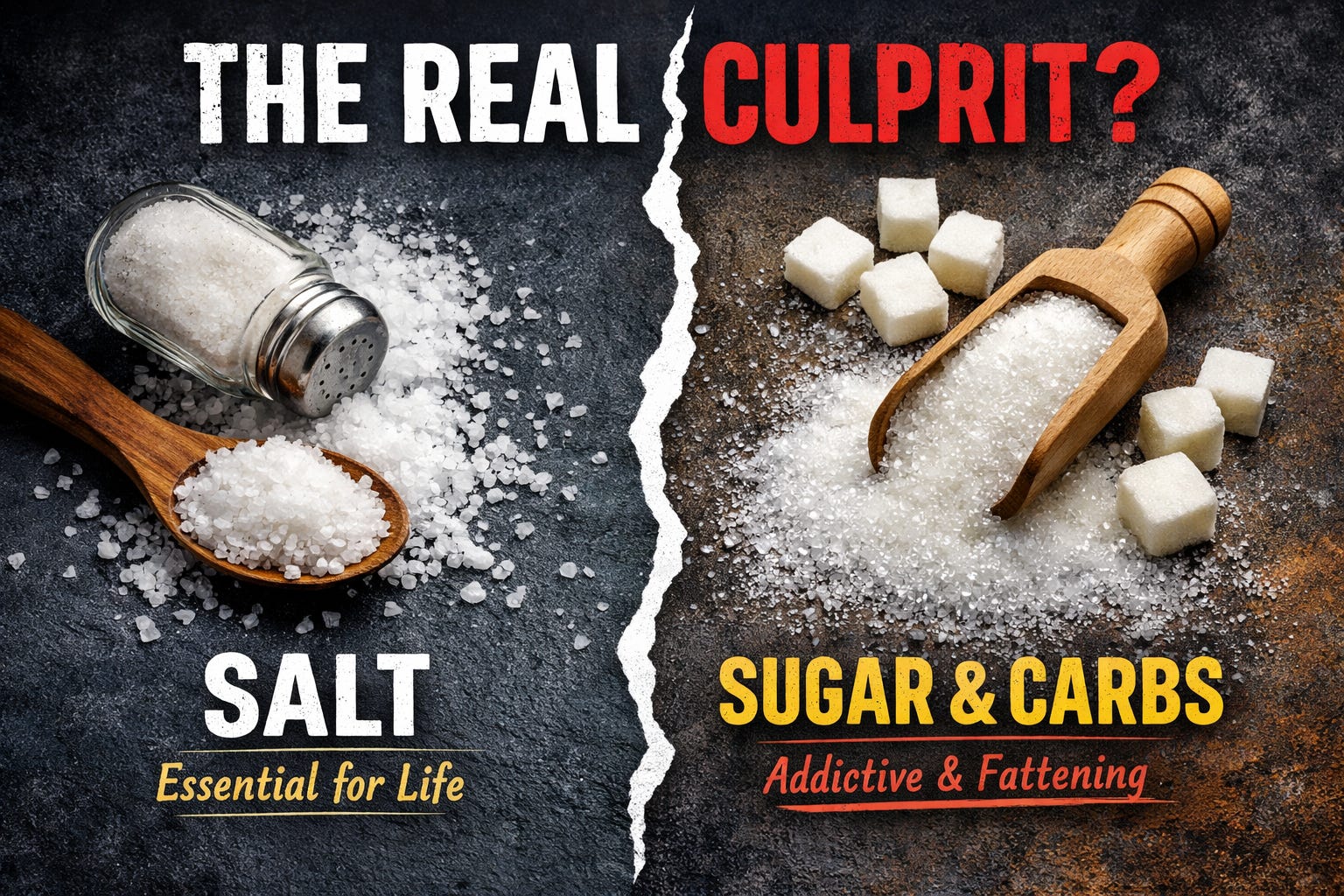
Salt has become one of the great villains of modern nutrition.
People talk about it the way people used to talk about cigarettes. A little extra salt on your steak? Suddenly someone acts like your arteries are about to explode.
Meanwhile, the same person will eat a bagel, orange juice, cereal, and a muffin for breakfast and somehow think that’s “heart healthy.”
We’ve gone way too far blaming salt and not nearly far enough blaming sugar and processed carbohydrates.
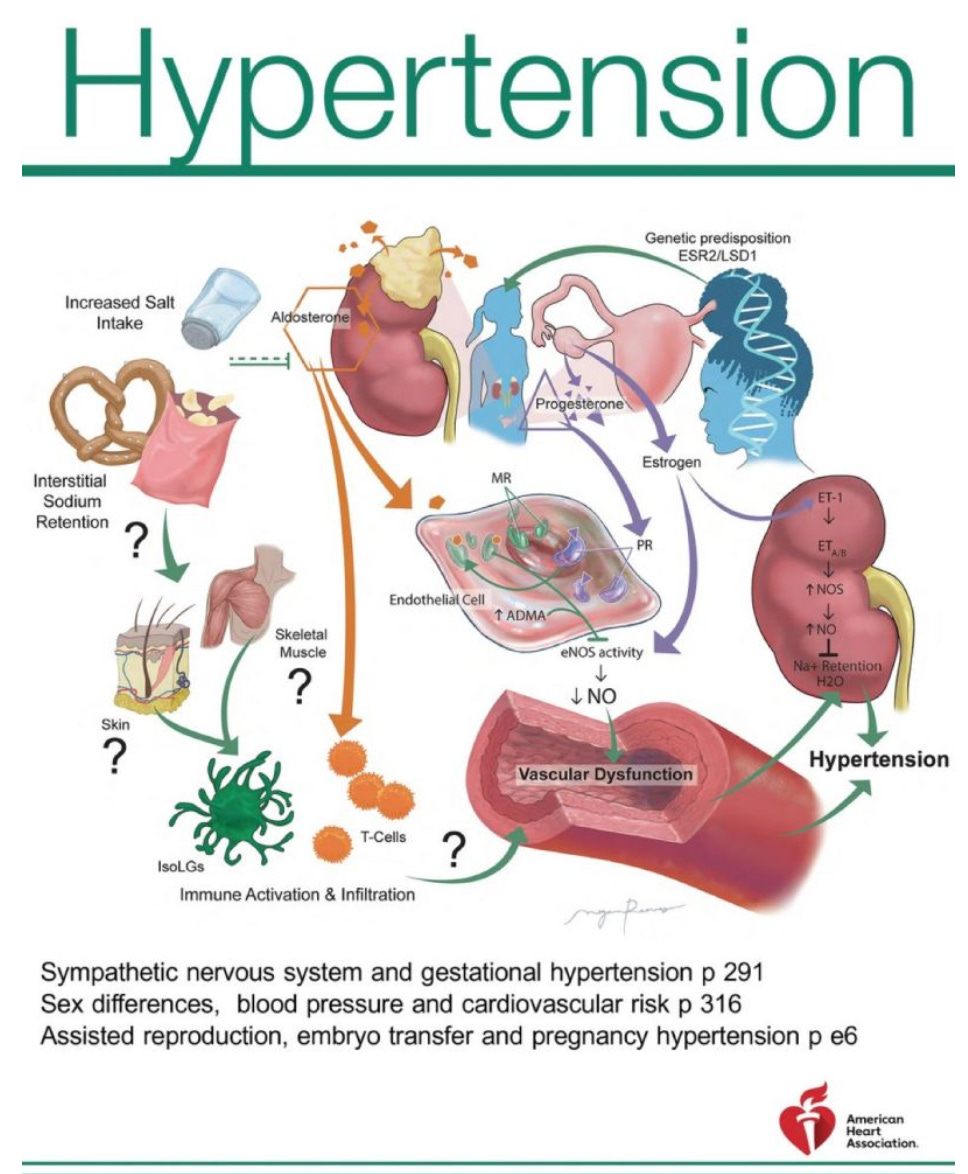
That doesn’t mean salt has no effect on blood pressure. For some people—especially people who are salt-sensitive—very high sodium intake can raise blood pressure. But the bigger picture is that salt is usually not the main problem.
The average person is not pouring salt on a steak and getting into trouble.
The average person is eating processed foods loaded with salt, sugar, refined carbohydrates, and seed oils all at the same time.
And then the salt gets blamed.
Subconscious Fat at 10,000 feet
Here’s the difference:
Sugar and refined carbohydrates create a cycle.
You eat them. Your blood sugar rises. Insulin rises. Then your blood sugar crashes and you want more.
Then more.
Then more again.
You can eat an entire basket of bread, a plate of pasta, or half a pint of ice cream and still somehow feel like you want more afterward.
But salt doesn’t work like that.
There comes a point where your body simply says, enough.
Try putting five tablespoons of salt on your food. You can’t do it. Your body immediately rejects it.
Mr. Skeptical folds his arms.
“Wait a minute. People crave salty foods all the time.”
True. But notice what those foods usually are:
French fries
Pizza
Chips
Fast food
Those foods are not just salty. They are a combination of salt, sugar or starch, and fat engineered to keep you eating.
People are not addicted to salt by itself. Almost nobody is sitting at home with a spoon eating table salt out of the shaker.
But people absolutely overeat foods loaded with refined carbohydrates and sugar.
Sugar and processed carbohydrates are much more likely to create cravings, overeating, and that feeling that you never quite get enough.
Subconscious Fat at Eye-Level
Think about this in real life.
If I hand you a salted steak, you might eat until you’re full.
Then you stop.
If I hand you a basket of warm bread, a plate of pasta, or a box of cookies, suddenly there is no off switch.
That is not because you lack willpower.
It is because sugar and carbohydrates are much better at overriding your normal hunger signals.
Salt, on the other hand, is one of the few things your body regulates very tightly. When you have enough, food actually stops tasting better with more salt.
Mr. Skeptical raises an eyebrow.
“So are you saying salt has nothing to do with blood pressure?”
No. Some people really are salt-sensitive.
Salt sensitivity is a real medical term for people whose blood pressure rises noticeably when they eat more sodium.
But it is far less common than most people think.
Only about one-quarter to one-third of healthy people are considered salt-sensitive. Among people who already have high blood pressure, it is closer to about half.
Salt sensitivity is more common in:
Older people
People who are overweight
People with kidney problems
People with insulin resistance
People with metabolic syndrome
And here is the interesting part:
The very people who are most likely to be salt-sensitive are often the same people who are already eating too much sugar and processed carbohydrates.
High insulin levels make the kidneys hold onto sodium. Excess body fat appears to make people more sensitive to salt.
In other words, years of sugar, processed carbohydrates, excess weight, and high insulin can make someone more sensitive to salt in the first place.
Mr. Skeptical leans back in his chair.
“So maybe salt isn’t the original problem after all?”
Exactly.
Sometimes what looks like “salt causing high blood pressure” is actually sugar, insulin resistance, and excess body fat creating the problem first.
And unlike salt sensitivity, which affects a minority of people, almost everybody has experienced cravings for sugar and refined carbohydrates.
There is no real epidemic of people secretly addicted to salt.
Your body usually has a built-in shutoff switch for salt.
With sugar and carbohydrates, that shutoff switch is much easier to override.
Practical Suggestions and Conclusions
Instead of fearing salt, fear the foods that make you lose control.
Salt your steak.
Salt your eggs.
Salt your whole foods to taste.
But be much more cautious with the foods that combine salt with sugar and processed carbohydrates.
Those are the foods that make people overeat, gain weight, retain water, and then blame the salt.
Mr. Skeptical sighs.
“So the problem isn’t the salt shaker?”
Exactly.
The problem is usually not the salt shaker sitting next to your plate.
The problem is the giant pile of processed carbohydrates sitting under it.
Be aware.
Other links related to this post:
PS Links on LinkedIn, Facebook, Instagram, X, and Notes. Full disclosure: ChatGPT was used to research and enhance this post.