

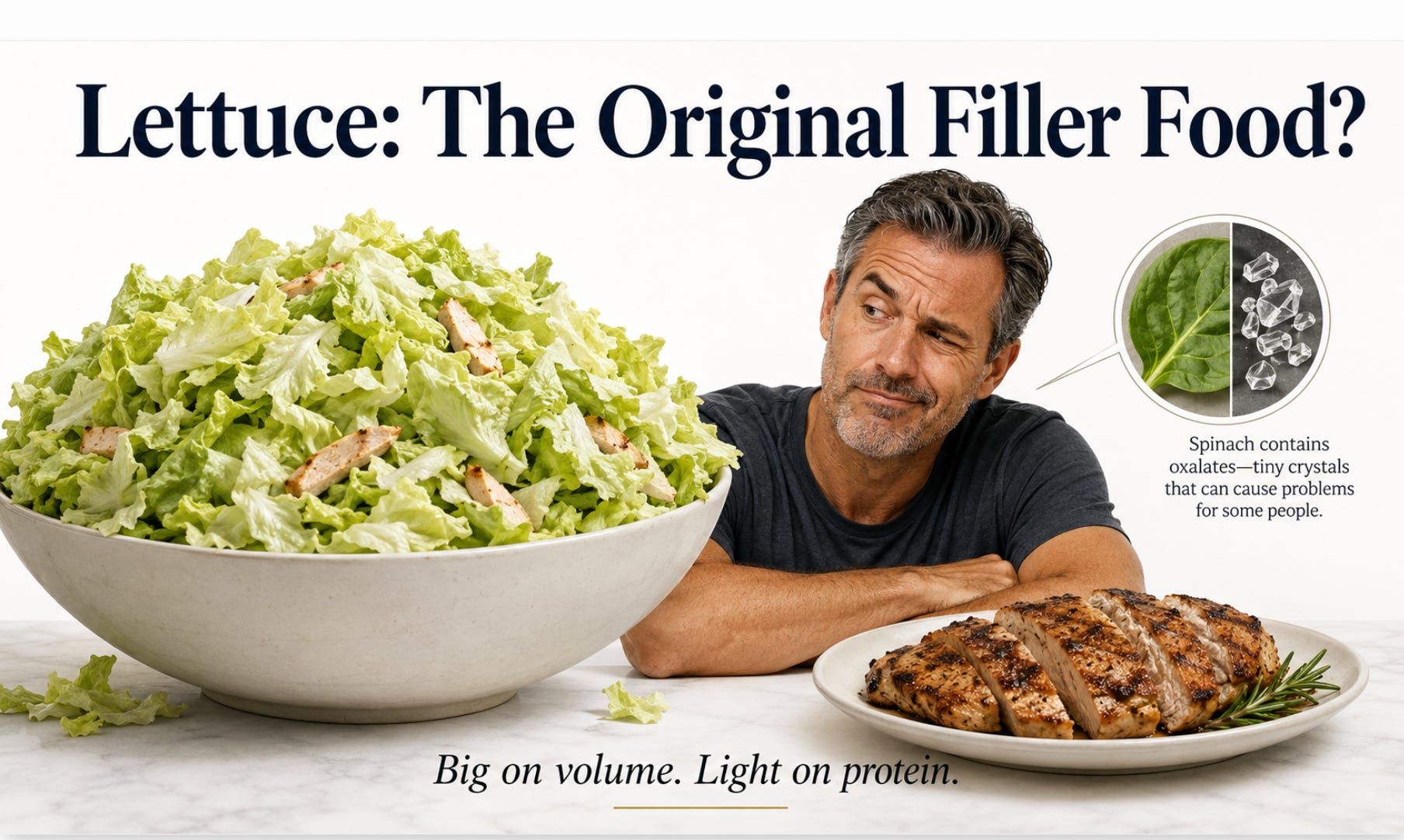
Mr. Skeptical stares at me in disbelief.
“Are you serious? You’re going after lettuce now? Really? Lettuce? Of all the foods in the world, lettuce is the problem?”
I suppress a smile, for I enjoy irritating him.

This Week’s Podcast Guest: Shawn Kostiuk
Shawn Kostiuk is a hypnotist, coach, educator, speaker, and co-host of the Hypnosis Hero Podcast. With more than 30 years of experience, he helps people manage stress, change unwanted habits, build confidence, improve motivation, and perform at a higher level.
Through SKHypnosis and his mPOWER Hypno-Coaching program, Shawn helps people break through the beliefs and repeated patterns that may be holding them back.
Web: https://skhypnosis.com Call: 306.620.9390
Shawn will be my guest on The Better Wealth and Health Podcast, dropping tomorrow at 11:57 a.m. Eastern.
Subconscious Fat at 30,000 Feet
Right now, lettuce is having a public-relations problem.
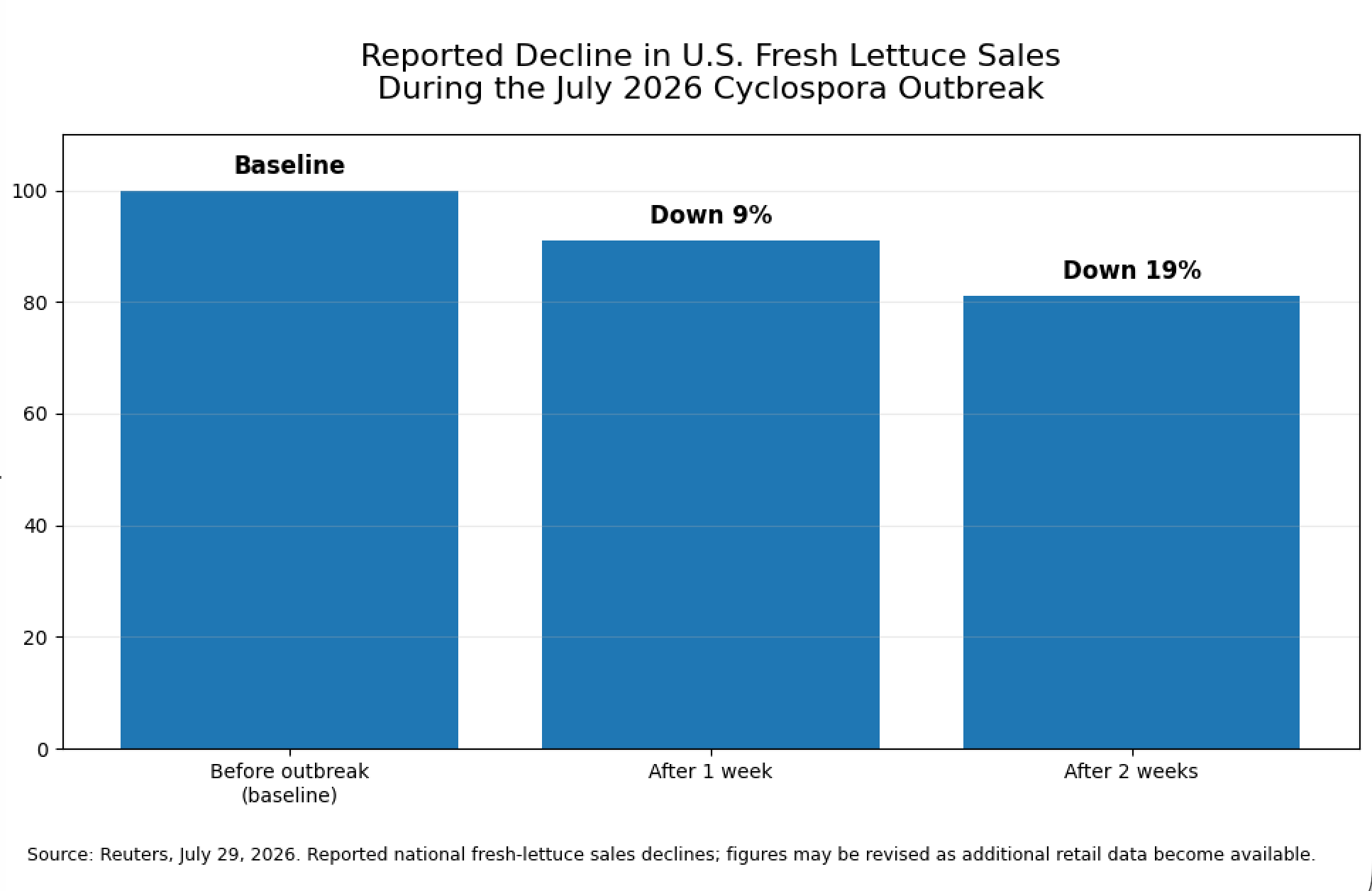
A gastrointestinal illness linked to recalled lettuce has suddenly made people suspicious of every green leaf sitting on their plate.
For years, lettuce enjoyed one of the greatest reputations in nutrition. Put almost any food on top of a pile of lettuce and it magically becomes a “healthy salad.”
But now that many people are temporarily avoiding lettuce, something extraordinary has happened:
Nobody appears to be suffering from a lettuce deficiency.
Have you stopped eating lettuce recently? Have you noticed that you are not dead yet? Have your muscles disappeared? Has your immune system collapsed? Has your doctor diagnosed you with acute iceberg deprivation?
Probably not.
In fact, there may be a positive side to lettuce’s current image problem. Millions of people are being given an accidental opportunity to discover that lettuce was never doing as much for them as they imagined.
And once you have broken the lettuce habit, I would argue that it may be a good habit to keep.
Lettuce is mostly water, bulk and crunch. It is not completely devoid of vitamins, minerals or fiber. But compared with eggs, beef, chicken, sardines or liver, its nutritional return is remarkably small.
Lettuce is not necessarily harmful. It is simply occupying valuable real estate.
Mr. Skeptical checks his pulse after going three days without a salad.
“No lettuce since Monday. Somehow, I remain among the living.”
Subconscious Fat at 10,000 Feet
Consider the typical man over 40 trying to “eat healthy.”
He orders a chicken salad. He skips the croutons, requests dressing on the side and feels extremely responsible.
The bowl looks enormous—but most of that volume is lettuce.
If the salad contains only about 2 to 3 ounces of cooked chicken, he may receive roughly 18 to 25 grams of protein. The lettuce helps fill his stomach, so the meal appears larger and may temporarily feel satisfying.
But remove that mountain of leaves and place the same small amount of chicken on a plate. Suddenly, it does not look like a meal. It looks like an appetizer.
Without the lettuce taking up space, he might naturally eat 4, 6 or even 8 ounces of chicken—approximately 35 to 70 grams of protein—depending on the cut and serving size.
That is the real issue. Lettuce can crowd out the food that provides complete protein, essential amino acids, highly bioavailable minerals and meaningful nourishment.
The man believes he made the salad healthier by removing the croutons. But he is still eating a giant bowl of low-nutrition volume with a decorative serving of protein scattered across the top.
Lettuce may be the original filler food.
Mr. Skeptical pushes aside the lettuce and uncovers three lonely strips of chicken.
“Ah. I found the entrée. It was hiding under the landscaping.”
Subconscious Fat at Eye-Level
Yes, romaine and spinach contain more folate and vitamin K than iceberg lettuce. Spinach clearly has a more impressive micronutrient résumé.
But spinach brings another issue: oxalates.
Spinach is consistently categorized as a high-oxalate food.
Mr. Skeptical leans forward, suddenly concerned.
“Hold on. What exactly are oxalates?”
Oxalates are naturally occurring compounds found in many plants, especially foods like spinach. They bind to minerals such as calcium and lead to high calcium-oxalate kidney stones or other issues.
Here’s an image of what oxalate crystals can look like.
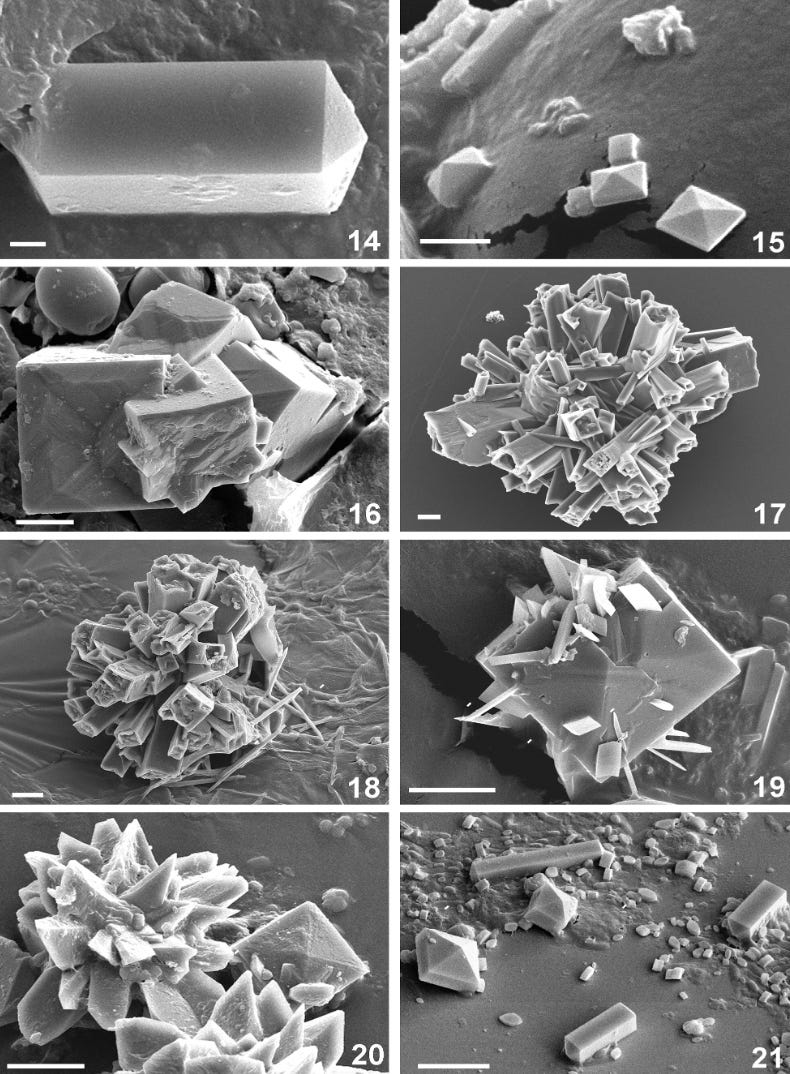
And remember: vegetables want to live. Plants cannot run away, bite you or call the police, so they produce chemical defenses. Oxalates are just one of the many compounds plants use to make themselves a little less inviting.
Mr. Skeptical studies the image, rolls his eyes and slowly turns away.
“So the spinach is fighting back now?”
Even the salad has a security system.
So upgrading iceberg lettuce to spinach gives you more micronutrients—but it is not a free upgrade. You get a much larger oxalate load.
Arugula and many lettuces are generally much lower in oxalates than spinach, but they still provide very little protein and relatively little total nutrition compared with animal foods.
You can upgrade the leaves, but you are still eating leaves.
Mr. Skeptical proudly replaces his iceberg lettuce with spinach.
“Excellent. My filler food now comes with terms and conditions.”
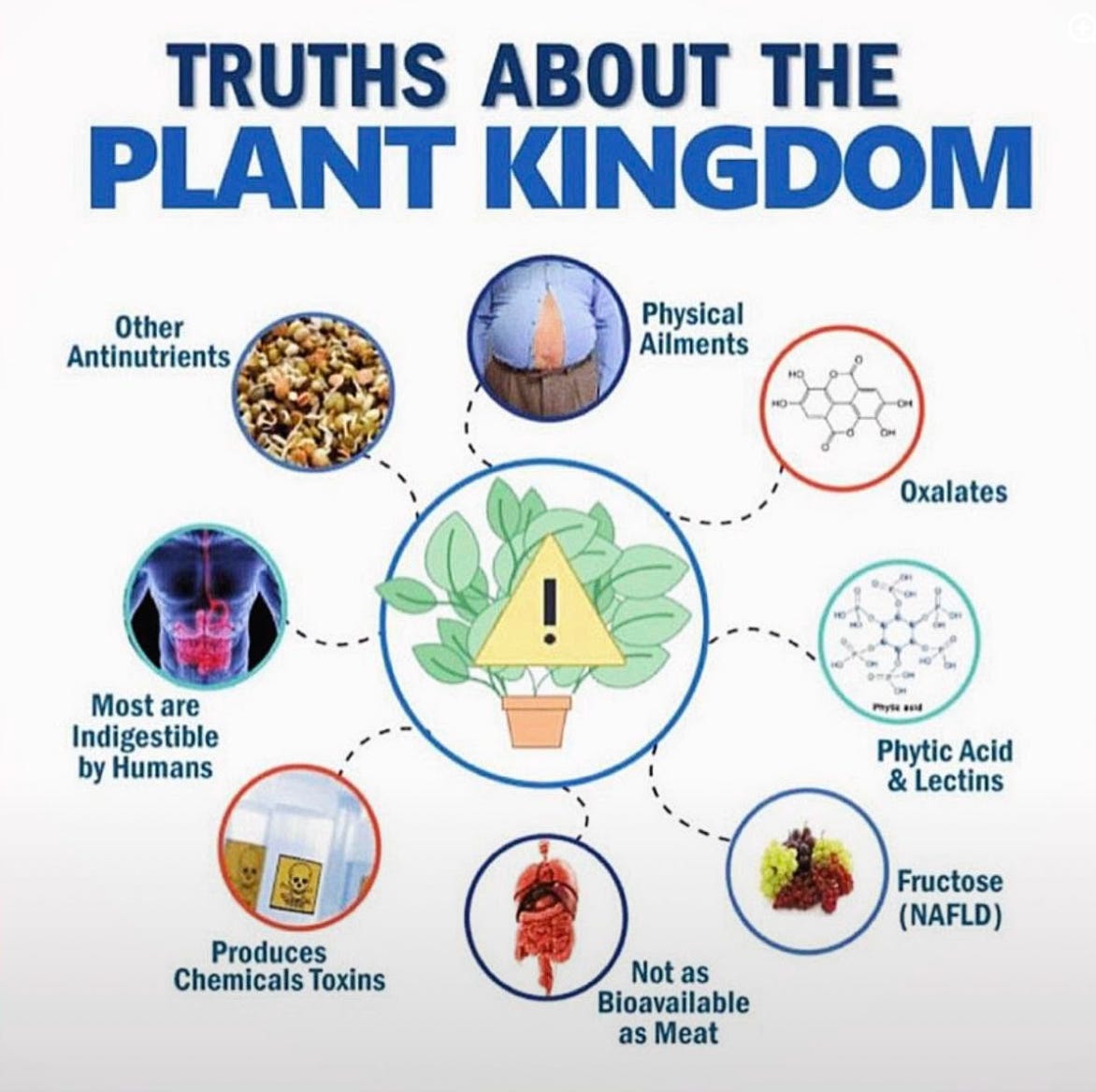
Practical Suggestions and Conclusions
I am not arguing that one lettuce leaf will destroy your health. Lettuce can add texture, carry dressing and help someone feel full faster. Some people enjoy it, tolerate it and have no reason to eliminate it.
Mr. Skeptical leans in and asks: “You’ve never enjoyed eating a salad?”
I smile. I used to, but not that much anymore, and I don’t miss it at all.
“You’ve gotten too smart for your own good.”
I shrug my shoulders. Maybe.
But we should stop confusing low-calorie volume with high-quality nourishment.
For a man over 40 trying to preserve muscle, improve strength and control his appetite, protein should be the center of the meal—not a garnish hidden beneath a wheelbarrow of leaves.
Try this experiment:
Build your meal around a substantial serving of beef, chicken, eggs, fish or another complete protein. Eat the protein first. Add lettuce afterward only when you genuinely want it—not because you believe the green color automatically makes the meal healthier.
And if the current lettuce scare has already caused you to stop eating it, consider keeping the experiment going.
Pay attention to what happens. Do you miss it? Are you less healthy? Or do you simply begin eating more of the protein that the lettuce used to displace?
You may discover that nothing bad happens when you remove lettuce from your diet.
Except perhaps that your chicken salad finally becomes chicken.
Lettuce is not the villain.
It may simply be the original filler food: taking up space, creating the appearance of abundance and distracting you from how little protein is actually on your plate.
Mr. Skeptical holds up his oversized salad bowl.
“So I ordered a pound of food and received four ounces of nutrition?”
Welcome to the magic of salad.
Be aware.
PS Links on LinkedIn, Facebook, Instagram, X, and Notes.
Full disclosure: ChatGPT was used to research and enhance this post.
🎙️The Better Wealth & Health Podcast with guest Shawn Kostiuk is coming out tomorrow at 11:57 AM Eastern.